Toyohashi Gion Festival gains intangible folk cultural property status
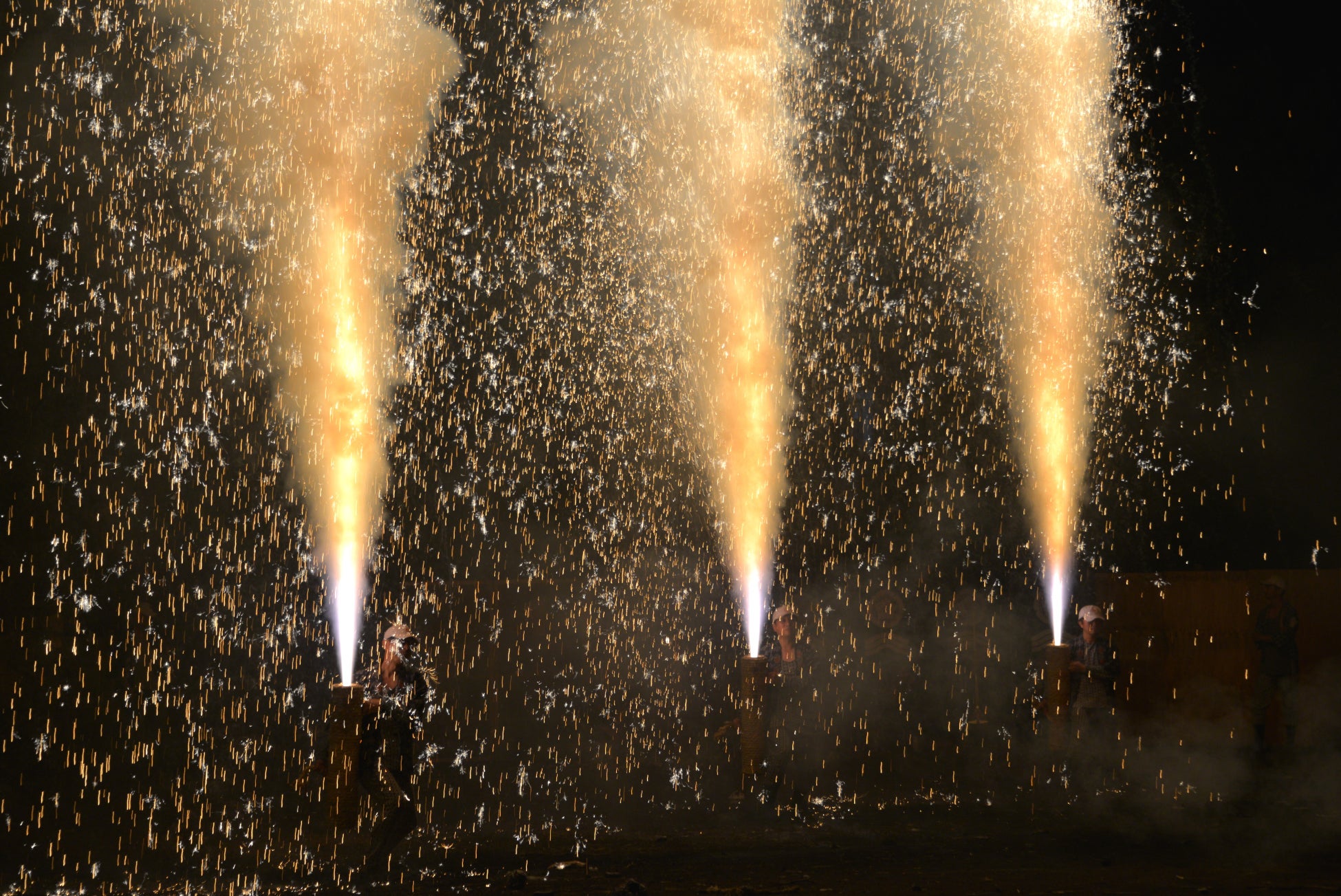
On July 14, 2026, Toyohashi City announced that the Toyohashi Gion Festival had been designated a Toyohashi City Intangible Folk Cultural Property. The timing matters: the festival's 2026 edition begins on July 17 and runs for three days, so the announcement arrives right before the city once again turns its streets, shrine precincts, and riverbank into a single ritual landscape.
What Was Announced
The city says the festival was designated on June 24, 2026, under the formal name "Toyohashi Gion Festival (Festival fireworks and procession of Yoshida Shrine)." The designation places it among 142 designated and registered cultural properties in Toyohashi, including 89 city-designated items, and marks it as an item of intangible heritage rather than a static monument. That distinction matters because the festival only exists through repeated performance, neighborhood participation, and the passing on of roles from one generation to the next.
Toyohashi City's explanation traces the festival back to the Heian period and to the tradition of goryoe, rituals meant to calm epidemics. Over time, the event was carried by the former Yoshida castle town and then by the local communities that still support it today. The city highlights two linked elements: the fireworks that have become the best-known public face of the festival, and the Yoritomo procession that gives the main festival its ceremonial spine.
The 2026 program follows the familiar three-day structure. July 17 is the eve festival, with hand-held fireworks at the shrine. July 18 is the pre-evening festival, when the large fireworks display over the Toyokawa riverbank is the main attraction. July 19 is the main festival, when the mikoshi procession moves through town and the Yoritomo procession returns as one of the event's defining sights.
The designation is not only symbolic. The festival association has renewed costumes and ceremonial tools for the Yoritomo procession, and the revived role of Konegi will be performed by two elementary school students. That detail is small but important: the city is not only honoring the festival's past, it is supporting the handover that keeps the ritual alive.
Why It Matters
For local residents, the announcement formalizes what the festival already means in practice: the Toyohashi Gion Festival is a civic tradition that has been built, repaired, and reimagined by people who treat it as part of the city's identity. For readers outside Japan, the designation is a useful reminder that a festival can be heritage without becoming a museum piece. Living heritage depends on use. It survives because people still carry banners, still prepare fireworks, still march, and still hand over responsibility to younger participants.
The city also frames the festival as part of Toyohashi's wider urban and cultural history. That matters because the event is not just a spectacle for a summer weekend. It is tied to the old Yoshida castle town, to shrine practice, and to a shared local memory that has been maintained through changes in politics, urban development, and everyday life. In that sense, the designation is both protective and explanatory: it tells future audiences why the festival deserves care, and it gives current residents a stronger reason to keep the forms intact.
Context for International Fans
If you know the name "Gion" mainly through Kyoto, it is worth separating the two traditions. Toyohashi's festival is a distinct local event in Aichi Prefecture, centered on Yoshida Shrine and supported by surrounding neighborhoods. The shared term points to a historical lineage, but the people, routes, rituals, and visual highlights are specific to Toyohashi.
What stands out most is the balance between ritual and display. The hand-held fireworks are not a side attraction; they are part of the festival's core identity. The procession is not just a parade; it is the mechanism by which the city stages continuity. For an international reader, the festival is a compact way to see how shrine practice, community labor, and seasonal celebration can overlap without collapsing into a single category.
If you plan to follow the event from abroad, the clearest entry points are the city announcement and the festival schedule. They show you what is happening on each day and why each day matters. That makes the Toyohashi Gion Festival easier to understand than a generic "summer festival" label would suggest.
What Happens Next
The immediate next step is the festival itself, from July 17 to July 19, 2026. The city has already signaled that the designation should help preserve the procession, the fireworks, and the role handovers that make the event recognizable. That means the 2026 edition is likely to be watched not only by festival-goers, but also by people interested in how local governments protect intangible heritage in real time.
In practical terms, the best way to experience this story is to follow the three-day rhythm: the shrine-centered eve festival, the riverbank fireworks, and the main procession. That sequence is the heart of Toyohashi Gion Festival, and it is what the new heritage designation is meant to keep visible for the next generation.
Sources
- PR TIMES: 〖2026年は7/17(金)から3日間〗豊橋祇園祭が豊橋市無形民俗文化財に指定―伝統の継承へ新たな一歩
- Toyohashi City: 豊橋祇園祭を豊橋市無形民俗文化財に指定しました
Information was checked on 2026-07-16 19:35:11 JST.


Comments
Post a Comment