The World Is Dancing Unveils Opening Video and Inoue Celebration Art
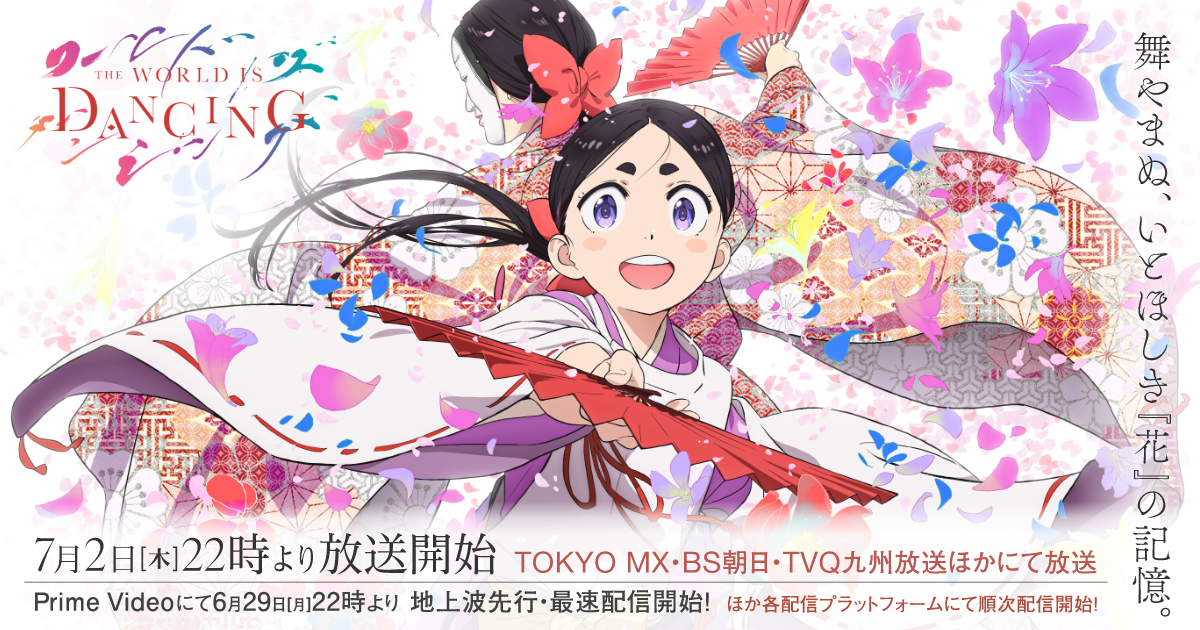
On July 2, 2026, the official site for The World Is Dancing unveiled a package of launch-week material ahead of that night's 10:00 p.m. JST broadcast: the opening video, a comment video from Macaroni Enpitsu, and a newly drawn celebratory illustration from manga artist Takehiko Inoue. The update arrives as the anime enters its July 2026 broadcast and streaming window.
What Was Announced
The official news post confirms that the opening theme sequence has been revealed, along with a message video from Macaroni Enpitsu and a congratulatory illustration from Takehiko Inoue. That combination matters because it ties together three parts of the adaptation's identity at once: music, promotion, and authorial support. The series itself is based on Kazuto Mihara's Noh-themed manga from Morning, and the page describes it as a story about dance, time, and the figure later known as Zeami.
The timing is also important. This was not just a generic prelaunch teaser dropped weeks before the premiere. It was a same-day update, published on July 2, that pointed directly toward the first broadcast that evening. In other words, the anime was already moving from anticipation into active airing when the new visual material went live.
Why It Matters
Opening videos often tell you more about an adaptation than a synopsis does. In this case, the opening sequence and the related comment video give the production a chance to show how it wants to frame Noh-inspired movement in anime form. The celebratory illustration from Takehiko Inoue adds another layer of attention, because it signals respect from one of Japan's most recognized manga creators.
For a series built around traditional performance, that matters. Viewers who know only the broad idea of Noh may not expect it to translate cleanly into animation, but the rollout suggests the production is leaning into motion, chanting, and atmosphere rather than sanding those qualities down. That is the kind of choice that can define whether an adaptation feels culturally specific or merely decorative.
Context for International Fans
Noh is one of Japan's classical performance traditions, so an anime that centers on it can look unusual to international audiences at first glance. The useful entry point is that The World Is Dancing does not treat Noh as a museum object. Instead, it turns the art form into a story about identity, time, and artistic inheritance, which makes the premise easier to approach even if you do not already know the tradition.
The official site also has an English landing page, which is a practical sign that the project is being presented with overseas readers in mind. That makes it easier to track new updates without relying on scattered fan summaries. If you are curious about the manga side, the premise alone is enough to understand why the anime is worth watching: a dance-shaped story carried across 600 years into the present.
What Happens Next
The immediate next step is simply the broadcast and streaming run in July 2026, with the July 2 update marking a clear launch-week milestone. Beyond that, the next useful signs will be how the series is received in its first episodes and whether the production continues to pair traditional performance elements with modern anime language.
Information was checked on July 5, 2026, at 17:50 JST.


Comments
Post a Comment