Noh & Animation Experience TOKYO 2026 Brings The World Is Dancing to Kanze | رویداد Noh & Animation Experience TOKYO 2026 «The World Is Dancing» را به کانزه می‌آورد
Noh & Animation Experience TOKYO 2026 Brings The World Is Dancing to Kanze | رویداد Noh & Animation Experience TOKYO 2026 «The World Is Dancing» را به کانزه می‌آورد
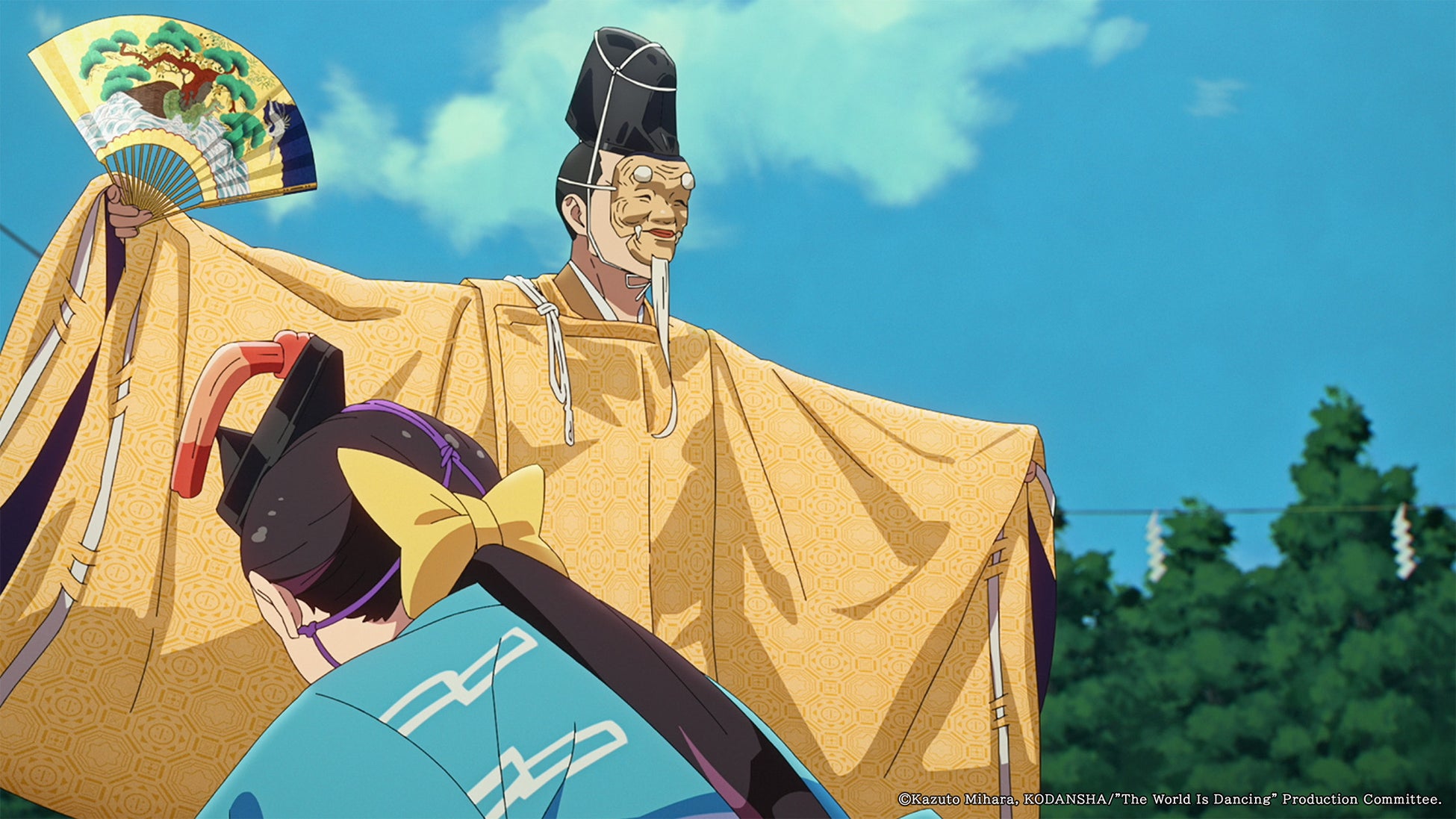
The World Is Dancing anime visual for the Kanze Noh & Animation Experience event

On July 7, 2026, Kanze Noh Playhouse announced Noh & Animation Experience TOKYO 2026, a five-day summer event built around the TV anime The World Is Dancing. The program will run from July 26 to July 30, 2026, in Tokyo. It is a strikingly specific crossover: a story about Zeami, dance, and the question of why people move on stage is being carried into a living Noh venue rather than treated as a distant museum reference.

What Was Announced

The event will take place at Kanze Nohgakudo in Shibuya, Tokyo, with opening hours from 12:00 to 18:00. Admission is split into premium seats priced at 2,000 yen and free seats priced at 1,000 yen. Visitors 15 and under may enter free of charge, although premium seats still require a ticket. According to the official materials, the program blends stage presentations, a screening of a special edited version of Okina with a backstage tour, a Noh-mask experience booth, a large anime photo spot, an exhibition of original animation drawings and related artwork, and an original goods shop.

The press release also says that The World Is Dancing began airing in July 2026 and is currently on TOKYO MX on Thursdays at 10:00 p.m. and on BS Asahi on Fridays at 11:00 p.m. The anime adapts Kazuto Mihara’s manga, which ran in Weekly Morning from 2021 to 2022 and has been collected into six volumes. In other words, this is not a one-off event built from a slogan. It is a live extension of an already active television title.

Kanze Saburota, a descendant of Zeami and the event’s special ambassador, will appear, and the lineup will also include guest voice actors on different days. That detail matters because it makes the event feel less like a static exhibition and more like a time-specific encounter where the stage, the theater building, and the anime promotion are all pulling in the same direction.

Why It Matters

This is more than an anime tie-in. By placing the event inside a working Noh theater, the organizers are changing the frame. Instead of asking visitors to look at Noh from the outside, they are inviting them to experience the setting, circulation, and atmosphere of the art form itself. For international fans, that makes the project unusually legible: it connects a contemporary anime to an art tradition that often feels remote when discussed only in textbooks or travel guides.

The thematic match is also unusually clean. The source manga and anime are centered on Zeami, dance, and performance, so the crossover does not feel bolted on. The event is using the story’s own subject matter to create a real-world bridge between classical performance and modern anime culture. That is why the announcement is interesting even if you do not plan to attend in person: it shows how Japanese media properties can move between screen culture and live cultural institutions without flattening either one.

Context for International Fans

If you are used to anime conventions, this is closer to a small cultural festival than a standard booth event. The venue is not neutral decoration; it is part of the argument. The official page makes that clear by presenting the Noh theater itself as the site where the anime, the performance tradition, and the audience meet. The setup also helps explain why Japanese promotional events often feel different from overseas fan expos: they can be built around a specific local institution, not just a marketable character lineup.

There is also a practical signal in the ticketing plan. Sales begin on July 3 through Kanze and on July 9 through Ticket Pia, which suggests the organizers expect advance planning and a limited-capacity audience. That is useful for travelers, but it also tells you something about the tone of the event: it is meant to be a concentrated experience, not a mass convention floor.

What Happens Next

The next concrete milestone is ticket availability and the day-by-day guest schedule. If you are following The World Is Dancing or are interested in Noh as a living art form, those are the details worth watching. The official materials already outline the event window, pricing, and core programming, so the remaining question is how the daily appearances will be distributed and which sessions will fill up first.

Sources

Information was checked on July 8, 2026 at 13:12 JST.


در ۷ ژوئیهٔ ۲۰۲۶، تالار نوِ کانزه رویداد پنج‌روزهٔ Noh & Animation Experience TOKYO 2026 را بر پایهٔ انیمهٔ تلویزیونی The World Is Dancing اعلام کرد. این برنامه از ۲۶ تا ۳۰ ژوئیهٔ ۲۰۲۶ در توکیو برگزار می‌شود. نکتهٔ مهم این است که داستانی دربارهٔ زئامی، رقص و این پرسش که انسان چرا روی صحنه حرکت می‌کند، به‌جای آن‌که فقط به‌عنوان ارجاعی دوردست به میراث فرهنگی دیده شود، وارد فضای زندهٔ یک تالار نو شده است.

آنچه اعلام شد

این رویداد در تالار نوِ کانزه در شیبویا، توکیو برگزار می‌شود و ساعت بازدید آن از ۱۲:۰۰ تا ۱۸:۰۰ است. بلیت‌ها دو نوع دارند: صندلی ویژه با قیمت ۲۰۰۰ ین و صندلی آزاد با قیمت ۱۰۰۰ ین. افراد ۱۵ سال و کمتر می‌توانند رایگان وارد شوند، هرچند برای صندلی ویژه همچنان باید بلیت تهیه شود. طبق مواد رسمی، برنامه از ترکیبِ ارائه‌های صحنه‌ای، نمایش نسخهٔ ویژهٔ Okina همراه با تور پشت‌صحنه، غرفهٔ تجربهٔ ماسک نو، فضای عکاسی بزرگِ انیمه، نمایش طراحی‌های اولیهٔ پویانمایی و آثار مرتبط، و فروشگاه کالاهای اصلی تشکیل شده است.

در بیانیهٔ خبری همچنین آمده است که The World Is Dancing از ژوئیهٔ ۲۰۲۶ پخش خود را آغاز کرده و اکنون پنج‌شنبه‌ها ساعت ۱۰ شب از TOKYO MX و جمعه‌ها ساعت ۱۱ شب از BS Asahi روی آنتن می‌رود. این انیمه اقتباسی از مانگای کازوتو میهارا است که از ۲۰۲۱ تا ۲۰۲۲ در Weekly Morning منتشر می‌شد و اکنون در شش جلد جمع‌آوری شده است. بنابراین، با یک رویداد تبلیغاتی ساده روبه‌رو نیستیم؛ این برنامه امتدادی زنده از یک عنوان تلویزیونی فعال است.

کانزه سابوروتا، از نوادگان زئامی و سفیر ویژهٔ این رویداد، در برنامه حضور خواهد داشت و در روزهای مختلف، صداپیشگان مهمان هم روی صحنه می‌آیند. این جزئیات رویداد را از یک نمایشگاه ثابت فراتر می‌برد و به یک تجربهٔ زمان‌مند تبدیل می‌کند که در آن، صحنه، ساختمان تالار و معرفی انیمه هم‌زمان در یک جهت حرکت می‌کنند.

چرا مهم است

این فقط یک همکاریِ معمولی با انیمه نیست. وقتی رویداد در یک تالار فعالِ نو برگزار می‌شود، قابِ تجربه عوض می‌شود. به‌جای آن‌که تماشاگر فقط از بیرون به نو نگاه کند، دعوت می‌شود خودِ فضا، گردشِ حرکت و حال‌وهوای این هنر را تجربه کند. برای مخاطب بین‌المللی، این نکته برنامه را بسیار قابل‌فهم‌تر می‌کند: انیمهٔ معاصر را به هنری پیوند می‌زند که اگر فقط در کتاب‌های آموزشی یا راهنمای سفر توضیح داده شود، اغلب دور از دسترس به نظر می‌رسد.

از نظر موضوعی هم این هم‌نشینی بسیار دقیق است. مانگا و انیمهٔ اصلی بر زئامی، رقص و اجرا متمرکز هستند، پس این همکاری وصلهٔ تحمیلی به نظر نمی‌رسد. رویداد در واقع از خودِ موضوع داستان برای ساختن پلی میان هنر نمایشی کلاسیک و فرهنگ انیمهٔ مدرن استفاده می‌کند. به همین دلیل، این اعلامیه حتی برای کسانی که قصد حضور ندارند هم جالب است: نشان می‌دهد که محصولات رسانه‌ای ژاپنی چگونه می‌توانند میان فرهنگ تصویری و نهادهای فرهنگی زنده رفت‌وآمد کنند، بدون آن‌که یکی از آن‌ها را به سطح دیگری تقلیل دهند.

زمینه برای خوانندگان بین‌المللی

اگر به کنوانسیون‌های انیمه عادت دارید، این برنامه بیشتر شبیه یک جشنوارهٔ فرهنگی کوچک است تا یک غرفهٔ معمولی. مکان برگزاری صرفاً دکور نیست؛ بخشی از استدلالِ رویداد است. صفحهٔ رسمی هم این را روشن می‌کند، چون خودِ تالار نو را جایی نشان می‌دهد که انیمه، سنت نمایشی و مخاطب به هم می‌رسند. این چیدمان همچنین توضیح می‌دهد که چرا رویدادهای تبلیغاتی ژاپنی اغلب با نمایشگاه‌های هواداری خارج از ژاپن متفاوت‌اند: آن‌ها می‌توانند حول یک نهاد محلیِ مشخص ساخته شوند، نه فقط یک فهرست از شخصیت‌های قابل فروش.

از نظر عملی هم در برنامهٔ فروش بلیت یک نشانهٔ مهم دیده می‌شود. فروش بلیت‌ها از ۳ ژوئیه از طریق کانزه و از ۹ ژوئیه از طریق Ticket Pia آغاز می‌شود؛ این یعنی برگزارکنندگان روی برنامه‌ریزی قبلی و ظرفیت محدود حساب کرده‌اند. این نکته برای مسافران مفید است، اما در عین حال لحن رویداد را هم نشان می‌دهد: قرار است تجربه‌ای فشرده و متمرکز باشد، نه یک سالن شلوغ در اندازهٔ یک نمایشگاه بزرگ.

گام بعدی

گام بعدیِ روشن، فروش بلیت و برنامهٔ روزبه‌روزِ مهمان‌ها است. اگر The World Is Dancing را دنبال می‌کنید یا به نو به‌عنوان یک هنر زنده علاقه دارید، همین جزئیات ارزش پیگیری دارد. مواد رسمی، بازهٔ برگزاری، قیمت‌ها و بخش‌های اصلی برنامه را مشخص کرده‌اند؛ بنابراین پرسش باقی‌مانده این است که حضور مهمان‌ها در هر روز چگونه تقسیم می‌شود و کدام نشست‌ها زودتر تکمیل می‌شوند.

منابع

اطلاعات در 08 July 2026، ساعت 13:12 به وقت ژاپن بررسی شد.

Comments

Popular posts from this blog

Otaku News Watch: Keiko Suenobu's Ochitara Owari Manga Gets Live-Action Series

Otaku News Watch: TBS Reports 524 Million Yen Loss in Anime Division

Otaku News Watch: Watch NHK Symphony Orchestra Play Pokémon Winds/Waves Games' Theme