NHK's Petit Petit Anime Gets First Pop-Up Shop at Tokyo Station
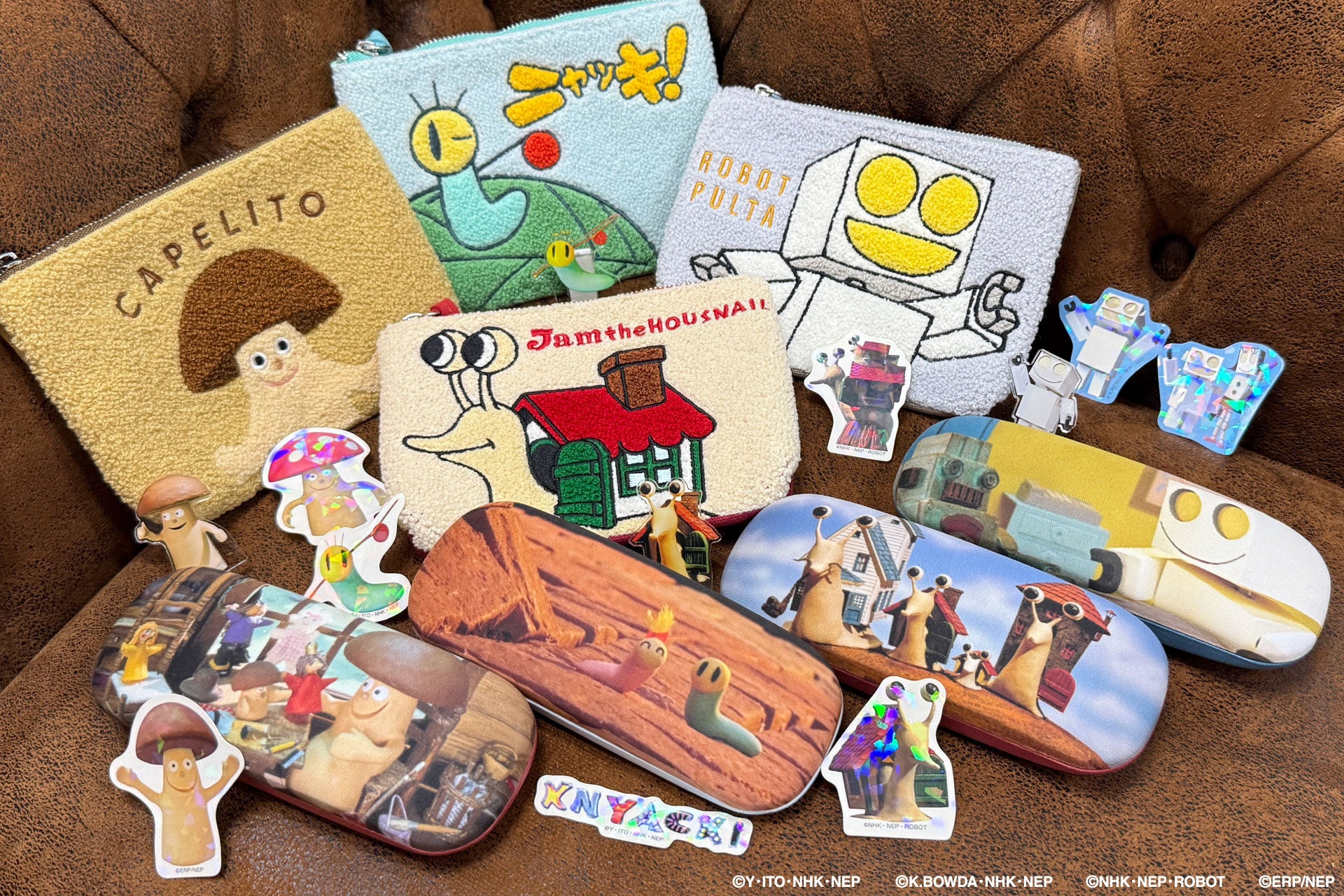
On July 10, 2026, Marimocraft opened the first pop-up shop for NHK's Petit Petit Anime at Tokyo Character Street inside Tokyo Station. The run lasts through July 23, and it is built around event-first-sale goods that put a long-running corner of NHK's children's animation catalog back into a very public retail space.
What Was Announced
The clearest headline is simple: this is the first pop-up shop dedicated to Petit Petit Anime. NHK Group Mall describes the brand as a five-minute mini program that has aired on NHK E-Tele since 1994, and the new retail push gathers four familiar titles from that lineage: Nyakki!, Robot Palta, Jam the House Snail, and Capelito. The shop is not trying to reinvent the properties; it is packaging them as a compact, collectible reminder of how long these characters have been part of Japanese children's media.
According to the official release, the pop-up is set up at the K stairway wagon area in Tokyo Character Street and also has a limited online counterpart through Tokyo Character Street's Online Plaza. The merchandise mix is practical rather than flashy: glasses cases, tumblers with wooden lids, sagara pouches, stickers, and other small goods designed for daily use. Buyers who spend 3,300 yen or more in the store receive a random mini acrylic stand from the four-character set, which gives the event a small but effective purchase incentive.
The timing matters too. The goods are being sold first in this limited window, and the general-retail rollout is scheduled for later in August. That means the Tokyo Station shop is not just a place to browse. It is the first crack at the new lineup, and for a niche nostalgic brand, that early visibility is part of the point.
Why It Matters
For international anime fans, the significance is less about the products themselves and more about the life cycle they reveal. Petit Petit Anime is not a fresh hit that needs a launch campaign; it is an old, durable IP that still has enough identity to support a physical retail event in one of Japan's busiest transport hubs. That says something about how Japanese media companies think about value. A show that originally lived in very short weekday TV slots can still be treated as a brand with collectable weight decades later.
Tokyo Character Street is a smart venue for that kind of test. It sits inside Tokyo Station, where commuters, domestic travelers, and tourists all pass through the same retail corridor. A pop-up there does more than serve existing fans. It lets casual visitors discover the characters in passing, which is often how older properties get a second life. The shop also frames the brand in a way that works for gift buying and souvenir hunting, not just for collectors who already know the titles by heart.
There is also a broader cultural pattern here. Japanese broadcasters and license holders regularly dust off older children's properties and reintroduce them in modern merchandising formats. When that works, it helps preserve a more layered view of anime culture: not only the blockbuster franchises and late-night series, but also the smaller, handcrafted works that lived on weekday morning schedules and still carry emotional memory for a generation.
Context for International Fans
If you have never heard of Petit Petit Anime, the four featured titles are a useful entry point. Nyakki! follows a mint-green caterpillar named Nyakki who turns ordinary encounters into tiny adventures. Robot Palta is a stop-motion series about a sleepy, impulsive robot and his friends. Jam the House Snail is a gentle slice-of-life story about a house-snail boy, his family, and the little rhythms of daily life. Capelito centers on a kind mushroom boy who can transform through a magic nose and ends up in playful scrapes with the forest around him.
NHK Group Mall's feature page also makes clear that the label belongs to the broadcaster's broader "Heisei retro character" effort. That framing is useful because it tells overseas readers how the shop should be understood: not as a random character dump, but as a curated revival of a specific family-friendly animation tradition. The titles span 1994, 1995, 1996, and 2001 to 2011, so the pop-up effectively compresses a long run of NHK children's animation history into a single browsing stop.
That is why the event feels more substantial than a routine merch drop. It shows that Japanese pop culture licensing can be archival as well as commercial. The characters are being sold, yes, but they are also being reintroduced as part of a remembered media landscape.
What Happens Next
The first sales window runs from July 10 to July 23, 2026, and the online plaza is active during the same period for selected items. If you are in Tokyo, the physical shop is the clearest way to see the full presentation. If you are not, the online option is the practical fallback, though stock is limited and some items may disappear quickly.
The larger question is whether this pop-up becomes a template. If it performs well, NHK and Marimocraft could test other retro character lines in similarly focused retail spaces. For now, though, this launch is a tidy example of how a broadcaster's older animation assets can be made visible again without pretending they are something new.
Sources
Information was checked on 2026-07-11 00:38 JST.


Comments
Post a Comment