Kyoto Station Turns Into a Nine-Day Summer Festival Venue
What Was Announced
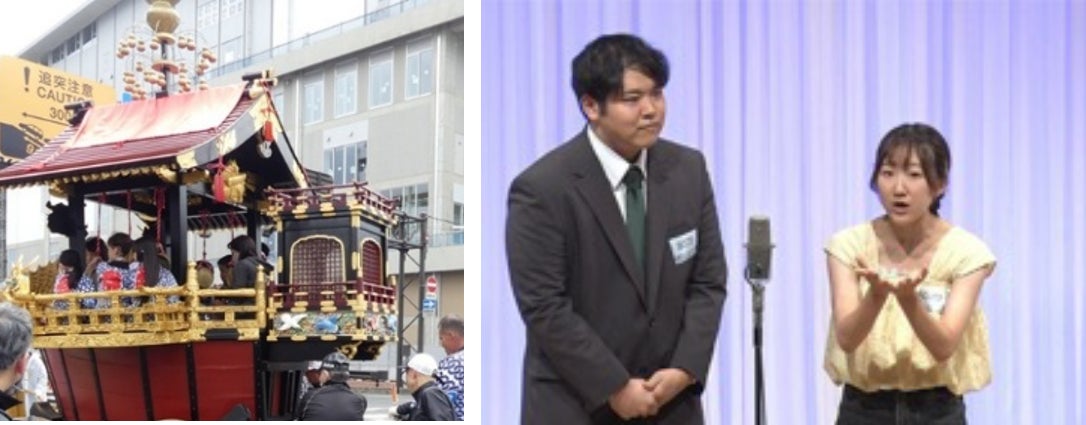
On July 17, 2026, JR West announced that Kyoto Station Building will host the 13th Shimogyo Kyoto Station Summer Festa from August 1 to 9, 2026. The release is not just about a handful of stage slots. It turns a major transport hub into a nine-day public festival space, with the station building used as a civic platform for dance, music, neighborhood participation, and evening spectacle.
The announcement also sits inside a wider Shimogyo district festival that runs from July 30 to August 22, 2026. That broader frame matters because it shows how the station-week program is part of a larger local calendar rather than a one-off activation. The official city page describes the project as a neighborhood effort built with temples, ward offices, the station-building company, and local groups, and it notes that outdoor areas will use heat countermeasures such as mist fans.
The Kyoto Station Building program includes:
- Student live performances and children’s festival stalls on August 1.
- "HANABI STATION," a digital fireworks show on the grand staircase from August 1 to 6.
- "Sanga Festival" on August 2, including talk content, cheer elements, and stadium-food style participation.
- "MIC LIVE" from August 3 to 6, featuring KYOTO MIC PROJECT artists.
- The first regional karaoke contest on August 7, designed as a community participation event.
- The "Shimogyo Live Stage" on August 8, with local and student groups.
- "NEO Bon Odori" on August 9, featuring DJ KOO, Agetsu Bijou, Awa Odori, and Eisa.
Read together, the lineup is a careful mix of familiar summer-festival forms and new presentation styles. Bon odori, live music, youth performance, and a karaoke competition all belong to different corners of Japanese event culture, yet the release places them under one roof and one route map. That makes the announcement useful not only as a schedule, but as a snapshot of how Japanese public spaces are being programmed for seasonal gathering in 2026.
Why It Matters
Kyoto is one of the easiest Japanese cities to associate with heritage, but the point of this announcement is not simply that the city is “traditional.” The more interesting detail is the venue choice. A railway station building is normally a place of arrival, departure, and throughput. Here it becomes a place to stay, watch, listen, and participate. That shift tells you a lot about how Japanese festivals work in practice: they are not sealed-off rituals, but adaptable civic formats that can absorb new technologies and new audiences without losing their core identity.
The mix of elements is also revealing. Digital fireworks on a staircase are not a replacement for festival tradition; they are a different way of staging the same seasonal feeling of anticipation and shared spectacle. Likewise, a karaoke contest or a music program tied to a local project does not weaken the event’s identity. It broadens it. The release suggests that the organizers want children, students, local businesses, football fans, and casual visitors to experience the same space in different ways.
Context for International Fans
If you are reading from outside Japan, the key thing to understand is that a summer festival here is usually a local ecosystem rather than a single national template. Bon odori is a communal dance associated with summer and seasonal remembrance. Yosakoi and other stage performances are more contemporary, but they are often folded into the same event ecosystem. Food stalls, games, music, and illuminated night scenes are not extras; they are part of the social architecture that makes the festival feel like a shared neighborhood occasion.
Kyoto Station is especially interesting because it sits at the intersection of tourism, commuting, and city identity. Putting a festival there means the event is visible to people who may not have planned to attend a neighborhood celebration. In that sense, the announcement is both practical and symbolic. It extends the summer-festival experience into a place where international travelers, local residents, and daily commuters cross paths.
What Happens Next
The station-week program runs from August 1 to 9, 2026, while the broader Shimogyo festival continues until August 22, 2026. Because the schedule includes multiple dates, venues, and performance blocks, the official pages are the best source for timing changes or access updates. That matters especially for the outdoor pieces, where weather and crowd management can affect details on the day.
If you are planning coverage or attendance, the useful takeaway is simple: this is not a single headline event, but a layered calendar. The strongest way to follow it is to track the official pages close to the date and read the station-week lineup as part of a larger summer program for Kyoto’s Shimogyo district.
Sources
- JR West press release: Kyoto Station Building Summer Festa (July 17, 2026)
- Kyoto City Shimogyo Ward announcement: The 13th Shimogyo / Kyoto Station Summer Festa
Information was checked on July 22, 2026 at 06:09 JST.
Information was checked on July 22, 2026 at 06:09 JST.


Comments
Post a Comment