Kashiwa-no-ha T-SITE Summer Festival 2026 mixes nebuta, bon odori, and fireworks
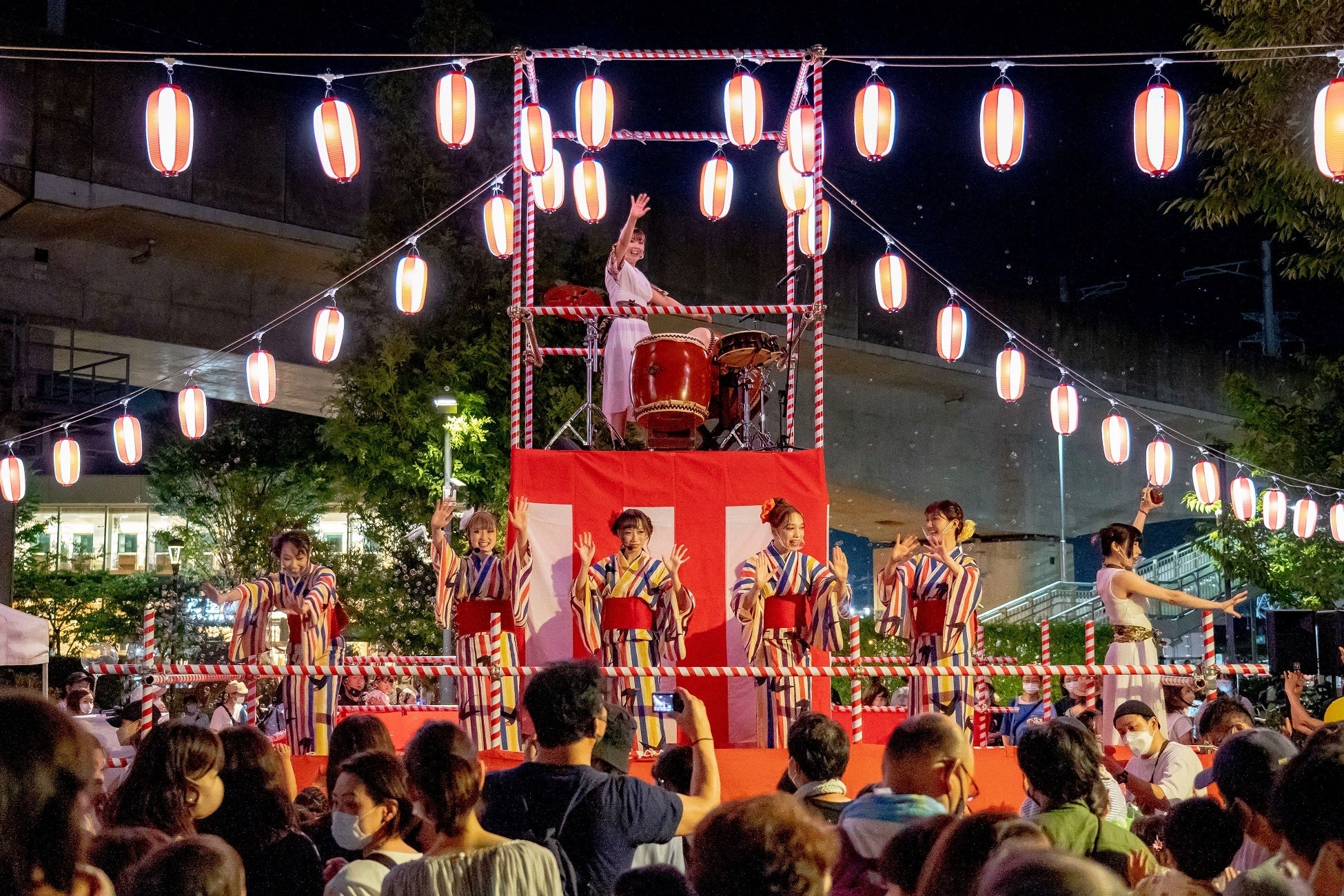
On July 8, 2026, Kashiwa-no-ha T-SITE announced that its Summer Festival 2026 would run on July 18 and July 19, 2026, from 3:00 p.m. to 9:00 p.m. in Chiba Prefecture. The two-day program is not just a retail-center summer event with a few stalls added on top. It combines a new nebuta parade, bon odori, live performances, food and game booths, and a reserved handheld-fireworks session into a single seasonal package.
What Was Announced
The headline attraction is the third Kashiwa-no-ha T-SITE Nebuta Festival, where a fresh "new nebuta" will appear on the road in front of KOIL 16 Gate from 7:00 p.m. to 8:00 p.m. on both days. The release says the float was made in Kashiwa and is inspired by Taira no Masakado, which gives the parade a local historical hook instead of relying only on imported festival aesthetics. The nebuta is presented as a way to bring a celebrated Aomori tradition into a suburban Chiba setting without stripping away its sense of scale or movement.
Beyond the parade, the program spreads across the T-SITE campus. Bon odori will run from 8:15 p.m. to 9:00 p.m., the live-performance blocks are set for 3:00 p.m. to 8:15 p.m., and the food-and-game area is scheduled for 3:00 p.m. to 9:00 p.m. The fireworks event is more tightly controlled: it runs from 5:30 p.m. to 8:30 p.m., requires advance reservation, costs 1,320 yen, and includes a glowing bracelet as a participation bonus. The announcement also lists other family-friendly pieces such as an aquarium-style attraction, a falconry experience, a children’s portable shrine, a local market, and a new popup space showcase.
Why It Matters
Summer festivals in Japan are often discussed as if they were fixed, timeless rituals. This release is a good reminder that they are also designed environments that can be scaled, adapted, and re-hosted. Kashiwa-no-ha T-SITE is not a shrine ground or a historic festival street, yet it is trying to recreate the social feeling of a summer night with a deliberate mix of tradition, family entertainment, and retail space. That matters because it shows how Japanese seasonal culture continues to live in hybrid places instead of only in postcard settings.
The festival also bridges generations. The nebuta parade and bon odori speak to older summer traditions, while the market stalls, workshops, and reserved fireworks session make the event legible to families with small children. In practice, that mix is part of why these events remain durable: they are not only performances to watch, but spaces where visitors are expected to move, eat, dance, shop, and linger. For a blog about anime and Japanese culture, that is a useful parallel. A living culture is not preserved by freezing it; it is preserved by letting it keep finding new hosts.
Context for International Fans
If you are seeing terms like nebuta or bon odori for the first time, the details matter. Nebuta refers to illuminated float parades associated most strongly with Aomori, where large painted structures move through the streets as music and chanting keep the rhythm. Bon odori is a communal dance form tied to the summer Obon season, and it is one of the clearest examples of Japanese festival participation that is meant to be shared rather than passively watched. Handheld fireworks are another familiar summer marker, but they are usually handled in controlled settings with clear time slots and safety rules.
This is why the Kashiwa event is interesting beyond its local audience. It packages several recognizable pieces of Japanese summer culture into one accessible site, and it does so in a way that is easy for visitors to understand even if they do not know the long history behind each element. The release also makes a point of naming the historical inspiration for the new nebuta, which gives the event a narrative layer instead of treating it as decorative scenery.
What Happens Next
The festival is scheduled for July 18 and July 19, 2026, so the second day is still part of the current run. The release notes that plans can change in bad weather, so anyone checking the event in real time should rely on the official Kashiwa-no-ha T-SITE page for the latest updates. If you are local, the most distinctive slot is probably the reserved fireworks session, since it turns a familiar summer pastime into a small, ticketed experience rather than a casual after-dark add-on.
For readers outside Japan, the key takeaway is simple: this is a strong example of how a modern commercial complex can still host a seasonally rooted cultural event without flattening it into generic entertainment. The festival leans on tradition, but it also works because it is carefully programmed for the people who will actually show up.
Sources
Information was checked on 2026-07-19 18:02 JST.


Comments
Post a Comment