Hikaru no Go Exhibition Returns to Tokyo
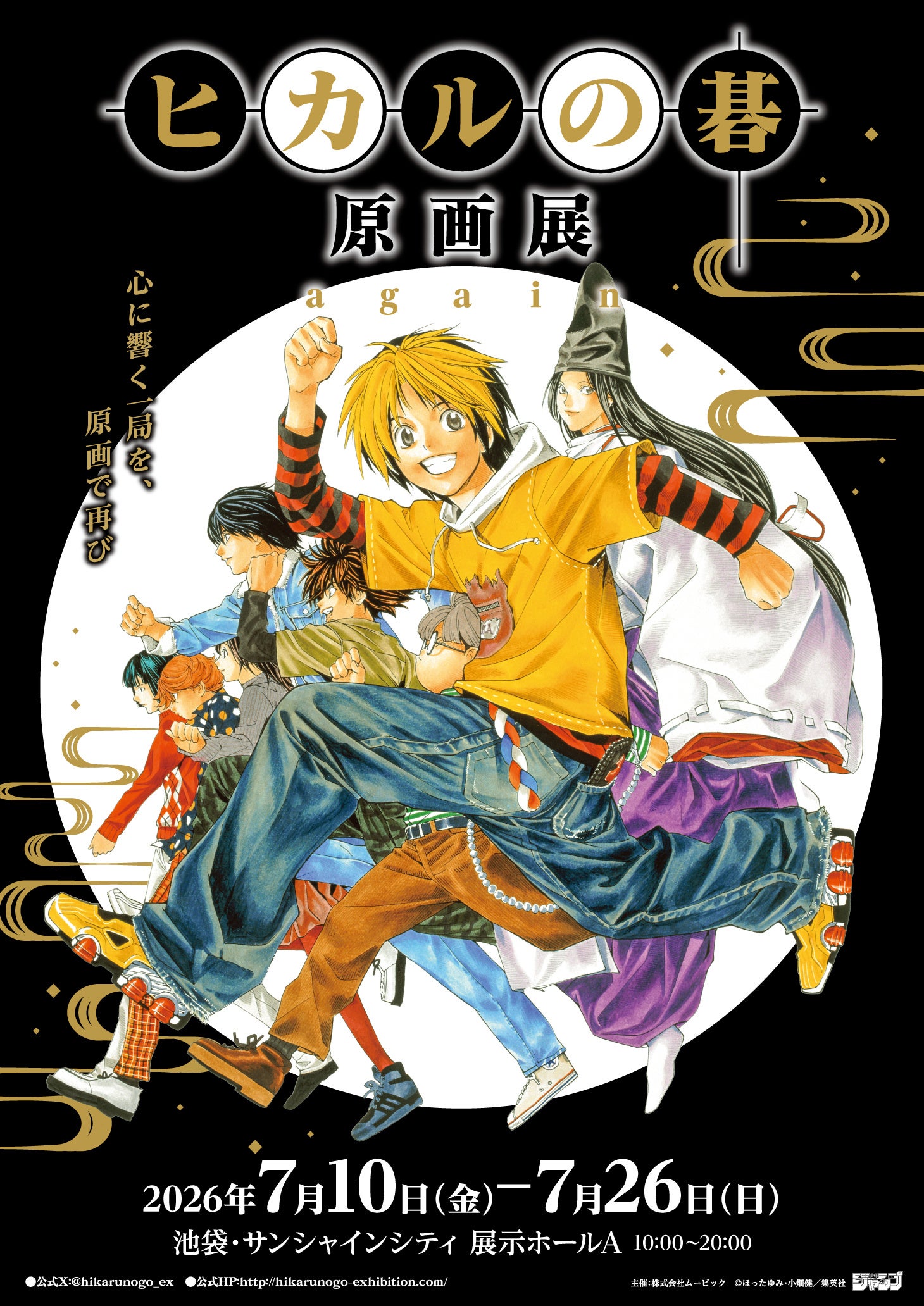
On June 14, 2026, Animate Holdings announced that the Hikaru no Go original art exhibition would return to Tokyo. The exhibition runs from July 10 to July 26, 2026 at Sunshine City Exhibition Hall A in Ikebukuro, with hours listed as 10:00 a.m. to 8:00 p.m. The press release also says the exhibition is a Tokyo encore after a nationwide tour across Japan, and it frames the show as a look back at the manga that helped spark an unprecedented go boom. For readers who know the series mainly as an anime classic, this is one of the cleaner examples of how a manga property can keep generating cultural events long after publication.
What Was Announced
The core announcement is simple: Tokyo is getting a return engagement for the original art exhibition tied to Hikaru no Go. The release emphasizes that the project is built around original manuscript art, not just general merchandise, which matters because the appeal of this kind of exhibit is visual and archival at the same time. Fans are not only buying a ticket to see a brand name on a wall; they are being invited to look closely at the line work, page composition, and character design decisions that made the manga so memorable in the first place.
The press material also points readers to the official exhibition website and social channels for ticketing details, merchandise updates, and other notices. That is standard for live exhibition programming, but it is also part of the story here: the exhibit is being treated as an ongoing cultural event rather than a one-day publicity beat. Once a title reaches that stage, it has moved well beyond being just a bookshelf item or a completed anime series. It becomes part of the country’s reusable pop-culture calendar.
Why It Matters
Hikaru no Go has always been bigger than a simple sports or school manga. The series turned the traditional board game of go into something dramatic and legible for a new generation of readers, and the press release explicitly describes the work as a manga that created a boom around the game. That is why an exhibition like this feels more substantial than a routine anniversary sale. It is not merely celebrating nostalgia. It is showing how a manga can reshape the public image of a traditional cultural practice and then remain relevant enough to support exhibitions two decades later.
That matters for international readers as well. Outside Japan, many anime and manga headlines are driven by short product cycles: new trailer, new cast, new stream date, repeat. An exhibition changes the tempo. It asks people to slow down, look at original art, and think about how the medium communicates character, tension, and pacing on the page. In the case of Hikaru no Go, the exhibit also reminds viewers that the series was important not only because it was entertaining, but because it made a centuries-old game feel immediate and emotionally readable to younger audiences.
The Tokyo return also says something about the afterlife of manga culture in Japan. A touring exhibition is expensive to stage, which means there has to be enough audience trust to support it. The fact that this show made the rounds nationally and then came back to Tokyo suggests a durable audience, not a brief spike. That is useful context for readers trying to understand why older manga properties keep reappearing in exhibitions, pop-up events, and anniversary programming.
Context for International Fans
If you came to Hikaru no Go through the anime, the exhibition is a good reminder that the manga is the original text and the real engine of the franchise. The art style, panel flow, and emotional timing in the manga are what the anime had to translate into motion and sound. Seeing the original pages can sharpen your understanding of how the adaptation works, especially in a series that depends so heavily on expression, rhythm, and the suspense of a quiet game.
There is also a broader cultural angle. Go is an old strategy game with deep roots in East Asia, and many overseas fans may know it only vaguely, if at all. Hikaru no Go helped bridge that gap by making the game feel like a living part of character drama rather than an abstract rules system. The exhibition leans into that legacy. It offers a way to revisit how pop culture can open a door to a traditional art or game without flattening it into a simple novelty.
For visitors planning from outside Japan, the practical detail is straightforward: the official schedule is July 10 to July 26, 2026, in Tokyo. The press release does not promise any international touring dates, so if you want to catch this run, the Tokyo window is the one that matters. The official site is the best place to watch for ticket, goods, and notice updates.
What Happens Next
The exhibition is already live, so the next milestone is not a launch but the continuing run through July 26, 2026. That means the main things to watch are whether new merchandise details appear, whether the official site adds further guidance for visitors, and whether the Tokyo run leads to another extension or follow-up event later in the year. The press release itself keeps the focus on the current venue and the current dates, which is a good sign that the organizers want the exhibit to stand on its own as an in-person experience.
In other words, the story now is less about a new announcement and more about a cultural object returning to the public eye in a form that rewards close looking. For a manga that once turned a board game into mainstream drama, that is a fitting way to keep the conversation going.
Sources
Information was checked on 2026-07-15 05:13 JST.


Comments
Post a Comment