Anime Times India Brings Naruto to Delhi | انیمه‌تایمز هند ناروتو را به دهلی می‌آورد
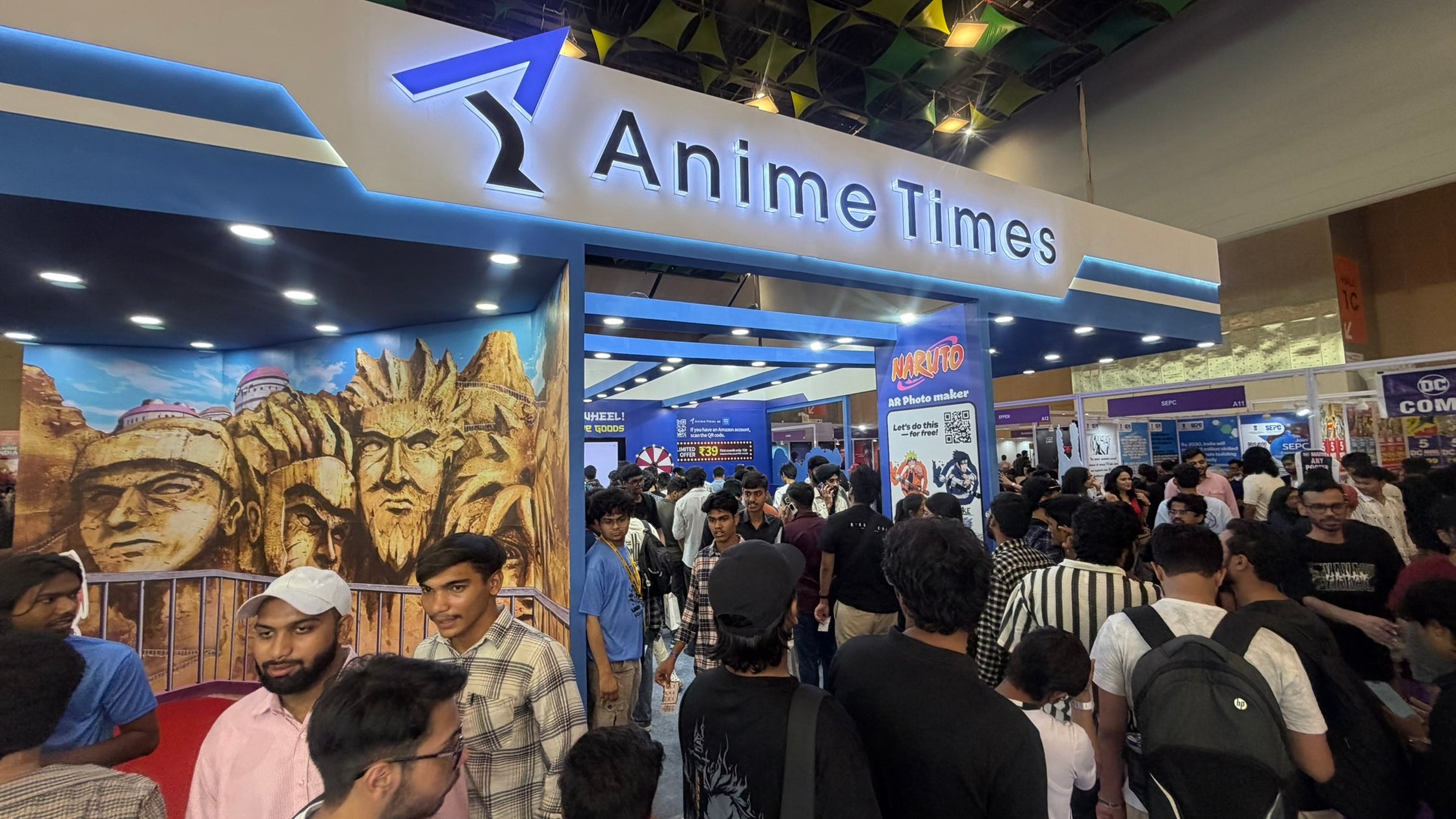
Anime Times India booth at Anime India Delhi 2026

On July 3, 2026, Anime Times India announced that it would join Anime India Delhi 2026 as the title sponsor, using one of the region's biggest anime gatherings to do more than just place a logo on a banner. The press release describes a program built around live dubbing, a Naruto-themed fan space, a creator-facing idea contest, and a broader attempt to treat India as an active anime market rather than only a destination for imported titles.

The Delhi event itself had already run on June 6-7 at Yashobhoomi in New Delhi and, according to the release, drew about 42,000 visitors. Anime Times says it set up a Naruto-focused booth, invited voice actor Kazuhiko Inoue for a live dubbing session, and used the space to connect fans with a series that remains one of anime's most recognizable entry points worldwide. The company also says this was the first time the event invited a Japanese voice actor guest.

What Was Announced

The announcement contained two strands that matter for readers outside India. First, Anime Times framed the Delhi stop as a success story worth extending. Second, it folded in a new Anime Idea Contest, which invites original anime concepts and is scheduled to accept entries until July 31, 2026. That combination matters because it moves the company from simple exhibition work into participation, curation, and creator discovery. The same release also says Anime India Mumbai is set for August 28-30 at the Bombay Exhibition Centre, so the Delhi appearance is part of a larger multi-city plan.

From a fan's perspective, the booth program was not abstract branding. The release highlights a live dubbing session, a Naruto photo spot, and official goods at the venue. Those details matter because they show how anime events in India are increasingly designed as immersive spaces: part merchandise showcase, part performance, part community meeting point.

Why It Matters

For overseas readers, the important part is not simply that an anime company showed up in Delhi. It is that the release treats India as a place where anime can be experienced, performed, and even imagined locally. A live dubbing session gives fans a direct look at voice work as craft, while an idea contest invites original work instead of only fan consumption. That is a different relationship from the older export model, where the job was mostly to bring a finished series overseas and hope it found an audience.

The release also helps explain why Naruto remains such a useful bridge title. Even when a company wants to spotlight a wider catalog, a globally familiar franchise can anchor the room, draw visitors to the booth, and make the event legible to first-time attendees. In that sense, the Delhi activation was both specific and strategic: specific in its use of Naruto and Kazuhiko Inoue, strategic in its attempt to create a repeatable template for India.

Context for International Fans

Anime Times' official site presents the service as an anime subscription channel, and that makes this release more interesting than a one-off convention appearance. The India project suggests that the company is willing to use live events to build recognition in markets where anime fandom already exists but still benefits from direct, local touchpoints. If you follow anime outside Japan, this is the kind of move that often signals longer-term attention: not just licensing, but local engagement, event programming, and audience-building.

The attendance figure also gives the story some scale. Forty-two thousand visitors across two days is large enough to make the booth more than a side attraction. It becomes a test case for how Japanese anime brands can show up in India without flattening the local scene. The release's mix of live performance, fan space, and creator contest suggests that Anime Times is trying to work with the local event ecosystem, not simply talk at it.

What Happens Next

The immediate dates to watch are July 31 for the contest deadline and August 28-30 for Anime India Mumbai. If the company repeats the same mix of live dubbing, franchise-driven booth design, and creator outreach, the Mumbai stop could show whether Delhi was a one-off success or the start of a repeatable format. For now, the release gives anime fans in India something concrete to follow: a competition, a second city, and a company that appears to be building a broader regional presence.

Sources

Information was checked on 2026-07-05T21:44:39+09:00 JST.


در ۳ ژوئیهٔ ۲۰۲۶، «Anime Times India» اعلام کرد که به‌عنوان اسپانسر اصلیِ Anime India Delhi 2026 حضور خواهد داشت؛ یعنی این رویداد را فقط به یک غرفه یا لوگو روی بنر محدود نمی‌کند. در این بیانیه، برنامه‌ای دیده می‌شود که بر دوبلهٔ زنده، فضای هواداری با محوریت Naruto، یک مسابقهٔ ایده برای سازندگان و تلاشی گسترده‌تر برای نگاه‌کردن به هند به‌عنوان بازاری فعال برای انیمه تکیه دارد، نه صرفاً مقصدی برای آثار وارداتی.

خودِ رویداد دهلی پیش‌تر در ۶ و ۷ ژوئن در Yashobhoomi دهلی‌نو برگزار شده بود و طبق این بیانیه حدود ۴۲ هزار نفر از آن بازدید کردند. Anime Times می‌گوید یک غرفه با محور Naruto برپا کرده، Kazuhiko Inoue را برای یک اجرای دوبلهٔ زنده دعوت کرده و از این فضا برای پیوند دادن هواداران با مجموعه‌ای استفاده کرده که هنوز هم یکی از شناخته‌شده‌ترین دروازه‌های ورود به انیمه در سراسر جهان است. این شرکت همچنین می‌گوید این نخستین‌بار بوده که رویداد، مهمانِ صداپیشهٔ ژاپنی دعوت کرده است.

آنچه اعلام شد

اعلامیهٔ Anime Times دو خط اصلی داشت که برای خوانندگان بیرون از هند مهم است. نخست، این شرکت توقف دهلی را به‌عنوان یک موفقیت قابل‌گسترش توصیف کرد. دوم، خبر از یک Anime Idea Contest تازه داد که از ایده‌های اصیل انیمه استقبال می‌کند و قرار است تا ۳۱ ژوئیهٔ ۲۰۲۶ پذیرش آثار را ادامه دهد. اهمیت این ترکیب در آن است که شرکت را از سطحِ حضورِ نمایشگاهی صرف به سطح مشارکت، گزینش و کشف استعداد می‌برد. همان بیانیه همچنین می‌گوید Anime India Mumbai برای ۲۸ تا ۳۰ اوت در Bombay Exhibition Centre برنامه‌ریزی شده است؛ بنابراین حضور دهلی بخشی از یک طرح چندشهری بزرگ‌تر است.

از نگاه هواداران، برنامهٔ غرفه فقط یک کار تبلیغاتی انتزاعی نبود. بیانیه از دوبلهٔ زنده، یک بخش عکاسی با تم Naruto و کالاهای رسمی در محل یاد می‌کند. همین جزئیات مهم‌اند چون نشان می‌دهند رویدادهای انیمه در هند دارند به فضاهای غوطه‌ورکننده تبدیل می‌شوند: بخشی ویترین کالا، بخشی اجرا، و بخشی محلِ دیدار و اجتماعِ هواداران.

چرا مهم است

برای خوانندهٔ بین‌المللی، نکتهٔ اصلی فقط این نیست که یک شرکت انیمه در دهلی حضور پیدا کرده است. نکته این است که بیانیه، هند را جایی می‌بیند که انیمه می‌تواند در آن تجربه شود، اجرا شود و حتی به شکل محلی تخیل شود. یک جلسهٔ دوبلهٔ زنده به هواداران نشان می‌دهد صداپیشگی فقط نتیجهٔ نهایی نیست، بلکه یک مهارت و کارِ هنری است؛ و مسابقهٔ ایده هم به‌جای مصرف صرفِ آثار، از خلقِ ایده‌های تازه دعوت می‌کند. این رابطه با مدل قدیمیِ صادراتی فرق دارد؛ مدلی که در آن کار اصلی این بود که یک سریالِ آماده را به خارج بفرستی و امیدوار باشی مخاطب پیدا کند.

این بیانیه همچنین توضیح می‌دهد چرا Naruto هنوز هم یک عنوانِ پل‌سازِ بسیار مؤثر است. حتی وقتی شرکت می‌خواهد کاتالوگ بزرگ‌تری را نمایش دهد، یک فرنچایزِ آشنا در سطح جهانی می‌تواند جمعیت را به سمت غرفه بکشاند و رویداد را برای کسانی که بار اول حضور دارند قابل‌فهم‌تر کند. از این زاویه، حضور دهلی هم مشخص بود و هم حساب‌شده: مشخص، چون بر Naruto و Kazuhiko Inoue تکیه داشت؛ و حساب‌شده، چون تلاش می‌کرد برای هند یک قالب تکرارپذیر بسازد.

زمینه برای مخاطبان بین‌المللی

سایت رسمی Anime Times این سرویس را به‌عنوان یک کانال اشتراکی انیمه معرفی می‌کند، و همین باعث می‌شود این خبر از یک حضور معمولی در کنوانسیون فراتر برود. پروژهٔ هند نشان می‌دهد شرکت حاضر است از رویدادهای زنده برای ساختن شناخته‌شدن در بازارهایی استفاده کند که هواداری انیمه در آن‌ها وجود دارد، اما هنوز از نقطه‌تماس‌های محلی و مستقیم سود می‌برد. اگر انیمه را بیرون از ژاپن دنبال می‌کنید، چنین حرکتی معمولاً نشانهٔ توجهِ بلندمدت است: فقط لایسنس‌دادن نیست، بلکه درگیرشدن محلی، برنامه‌ریزی رویداد و ساختن رابطه با مخاطب است.

عددِ بازدید هم به خبر وزن می‌دهد. ۴۲ هزار نفر در دو روز عددی نیست که غرفه را به یک جاذبهٔ فرعی تبدیل کند. این به یک آزمون واقعی برای این تبدیل می‌شود که برندهای انیمهٔ ژاپنی چگونه می‌توانند در هند حاضر شوند، بی‌آنکه صحنهٔ محلی را تخت و یکدست کنند. ترکیبِ اجرای زنده، فضای هواداری و مسابقهٔ سازندگی در این بیانیه نشان می‌دهد Anime Times می‌خواهد با اکوسیستم رویدادهای محلی کار کند، نه این‌که فقط از دور درباره‌اش حرف بزند.

گام بعدی

دو تاریخ مهمی که باید دنبال شوند، ۳۱ ژوئیه برای پایان مهلت مسابقه و ۲۸ تا ۳۰ اوت برای Anime India Mumbai هستند. اگر شرکت همان ترکیبِ دوبلهٔ زنده، طراحیِ غرفه با محور فرنچایز و ارتباط با سازندگان را تکرار کند، ایستگاه مومبای نشان می‌دهد که دهلی یک موفقیتِ تک‌باره بوده یا آغاز یک قالبِ تکرارشونده. فعلاً این بیانیه برای هواداران انیمه در هند چیزی ملموس برای پیگیری می‌دهد: یک رقابت، یک شهرِ دیگر، و شرکتی که ظاهراً دارد حضور منطقه‌ای گسترده‌تری می‌سازد.

منابع

اطلاعات در 2026-07-05T21:44:39+09:00 JST بررسی شد.

Comments

Popular posts from this blog

Otaku News Watch: Keiko Suenobu's Ochitara Owari Manga Gets Live-Action Series

Otaku News Watch: TBS Reports 524 Million Yen Loss in Anime Division

Otaku News Watch: Watch NHK Symphony Orchestra Play Pokémon Winds/Waves Games' Theme