VOCALOID Collection 2026 Summer Adds Project Sekai and Stem Data
On June 19, 2026, Dwango announced new details for The VOCALOID Collection ~2026 Summer~, the online Vocaloid festival better known as BokaColle. The update matters because it does two things at once: it gives the event a concrete schedule, August 20-24, 2026, and it shows how the Vocaloid scene keeps linking fan creativity to official platforms that still reach a large audience.
What Was Announced
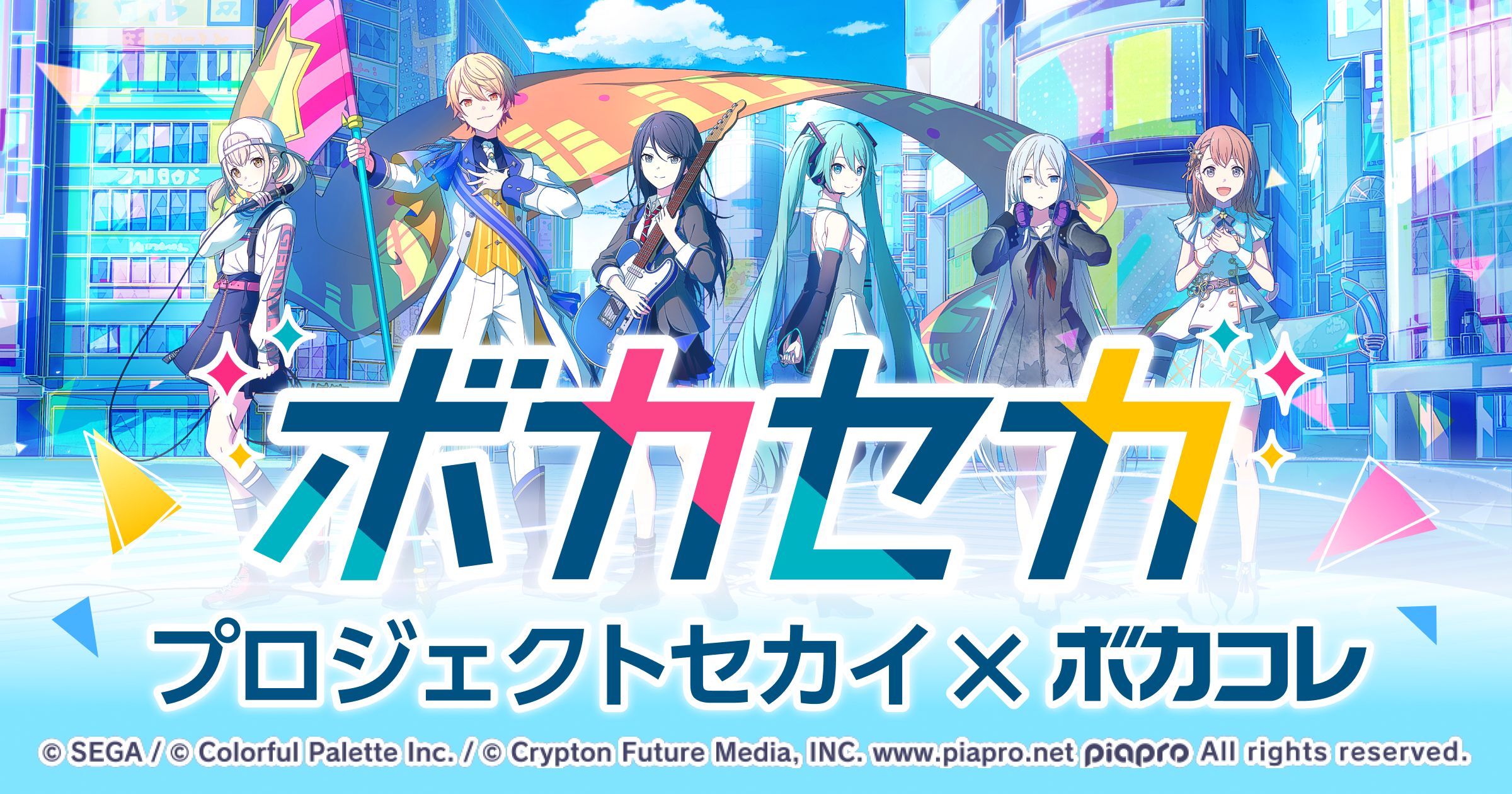
The main announcement is that The VOCALOID Collection 2026 Summer will run from Thursday, August 20 through Monday, August 24, 2026. The press release also lays out two participation paths that will shape the event. First, Dwango is launching a collaboration with Project Sekai Colorful Stage! feat. Hatsune Miku, called "Bokaseka." Under that plan, the No. 1 song in the TOP100 ranking and the No. 1 song in the Rookie ranking will each be added to Project Sekai. In practice, that gives creators a direct incentive to publish new work during the event and to think beyond the festival itself.
Second, the release highlights a remix initiative built around Stem data. Eight tracks from recent BokaColle winners and related hits will have Stem data distributed through the official site, and a separate anniversary program will distribute Stem data for 12 classic songs in honor of Niconico's 20th anniversary on December 12, 2026. The classics include songs such as "Koi Suru VOC@LOID," "Tengaku," "Iaru fanclub," and "Rin-chan Now! ver.2025." The point is not just nostalgia. It is a structured invitation for fans to remake songs with official source material.
The official BokaColle pages back up the announcement. One page explains the Project Sekai collaboration and another explains the Stem distribution program. Together, they make clear that the summer edition is not only a showcase but also a production platform: it is designed to generate new music, remix culture, and game-related visibility at the same time.
Why It Matters
For readers outside Japan, it is easy to treat Vocaloid culture as a closed historical moment from the Hatsune Miku boom of the 2010s. This announcement says the opposite. Vocaloid remains an active creator ecosystem where official organizations still build mechanics around participation, remixing, and ranking. That matters because the culture has never depended only on passive listening. It has depended on circulation: songs are uploaded, remixed, featured, shared, and sometimes carried into bigger commercial spaces.
The Project Sekai collaboration is especially important in that sense. A rhythm game like Project Sekai reaches players who may never open the BokaColle site on their own, while BokaColle gives those players a route into creator culture. The result is not a simple marketing swap. It is a bridge between two audiences that already overlap but do not always interact in the same place. When an event rewards ranking success with possible game placement, it makes the boundary between community creation and mainstream distribution more porous.
The Stem program is just as significant. Stem files strip a song into editable layers, which makes remixing more approachable for creators who want to work from something more flexible than a finished stereo track. By offering stems for both newer event winners and older classics, the organizers are signaling that the archive of Vocaloid music is still usable, not just preserved. That is a strong cultural message: older songs are not museum pieces. They are raw material for new work.
Context for International Fans
The VOCALOID Collection, usually shortened to BokaColle, is a recurring online festival centered on Vocaloid and related synthetic-voice music culture. For international fans, the easiest way to understand it is as a hybrid of contest, live event, and community spotlight. It is not only about who already has the biggest following. It is also about which songs and creators can move the audience during a defined event window.
Project Sekai Colorful Stage! feat. Hatsune Miku is a separate but closely related part of that ecosystem. The game mixes rhythm gameplay with character stories and a broad Vocaloid-inspired cast. When BokaColle and Project Sekai collaborate, the result can feel like a feedback loop: creators submit songs, the community ranks them, and the most successful tracks can travel into a game that has its own international audience. That makes the event easier to follow for readers who know Vocaloid primarily through streaming, fan covers, or rhythm games rather than through Japanese creator platforms.
The 20th anniversary reference also matters. Niconico was one of the platforms that helped Vocaloid culture develop into a recognizable scene, because it supported remix-friendly video sharing and a strong tagging culture. Releasing stems from classic songs is a practical way to honor that history without freezing it. It invites today's creators to participate in a shared archive instead of simply looking back at one.
What Happens Next
The key date is August 20, 2026, when BokaColle 2026 Summer begins. The event runs through August 24, and the collaboration and remix programs are positioned around that window. If the ranking system works as announced, the creators who perform well during the event will have a path toward additional visibility through the official Project Sekai collaboration and through BokaColle's own remix features.
For international readers, the practical takeaway is simple: this is a good time to watch how Japanese creator platforms keep turning fan production into structured events. The most interesting part of the story is not only that the festival is happening again, but that it is still being designed around new creation rather than repetition.
Sources
- Dwango press release on PR Times
- Official BokaColle Project Sekai collaboration page
- Official BokaColle Stem data page
Information was checked on June 19, 2026 at 21:39 JST.


Comments
Post a Comment