LaLa's 50th Anniversary Original Art Exhibition Comes to Tokyo and Osaka | نمایشگاه آثار اصلی پنجاهمین سالگرد LaLa در توکیو و اوساکا
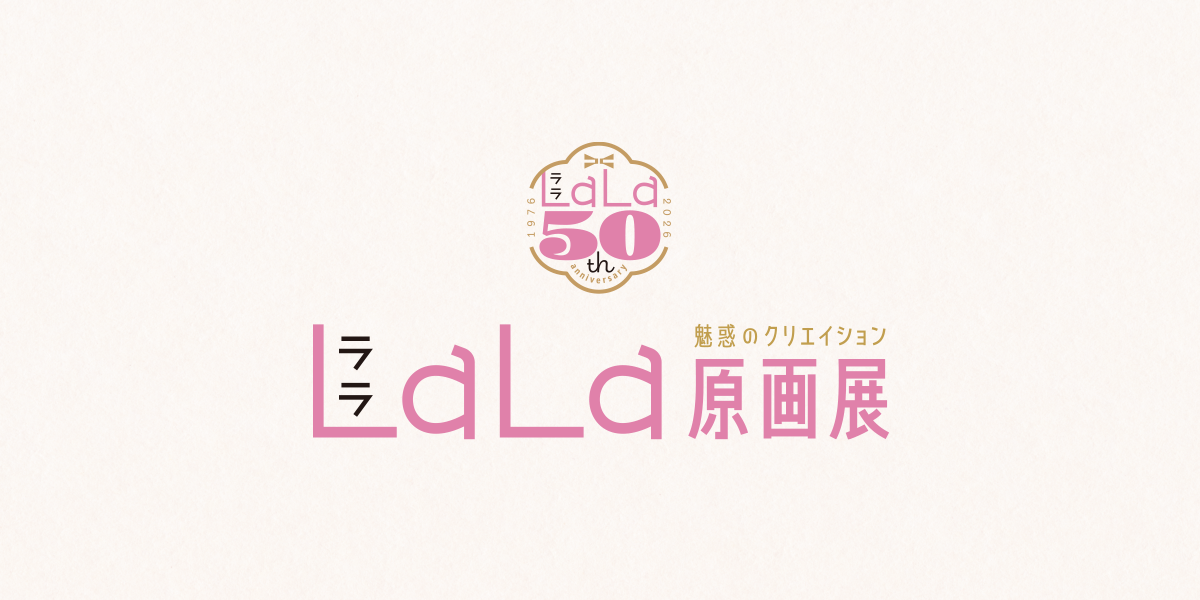
Official key visual for the LaLa 50th anniversary original art exhibition

On June 24, 2026, the LaLa 50th Anniversary Original Art Exhibition project announced that the long-running shoujo manga magazine LaLa will be celebrated with a large-scale exhibition in Tokyo and Osaka. The event, titled LaLa Original Art Exhibition: The Creation of Enchantment, is built around a simple but unusually strong idea: let readers look at the originals. More than 200 original pages from 76 creators will be gathered, turning five decades of serialized magazine history into a physical exhibition rather than a digital recap.

What Was Announced

The official site gives the exhibition a two-city structure. Tokyo comes first, running from July 17 to August 3, 2026, at the special venue on the 11th floor of Shinjuku Takashimaya. Osaka follows from September 5 to September 27, 2026, at Namba Parks Museum. The Tokyo schedule begins with timed-entry days at the opening, while Osaka also uses timed entry on its first two days.

  • Tokyo: July 17, 2026 to August 3, 2026 at Shinjuku Takashimaya 11F Special Venue.
  • Osaka: September 5, 2026 to September 27, 2026 at Namba Parks Museum.
  • Scale: more than 200 original pages by 76 creators.
  • Special ticket: ¥5,800, including exhibition admission and the catalog.
  • Related programming: autograph sessions are scheduled for Bisco Hatori and Hiro Fujiwara on separate dates.

The exhibition page also signals that additional details will be released in stages, which is common for Japanese pop-culture events with layered ticketing and venue rules. In other words, the announcement is the first clear public frame, not the final word.

Why It Matters

This is more than a birthday celebration for a magazine. It is a reminder that manga pages are designed objects, not just story delivery devices. The exhibition format lets visitors see line weight, panel rhythm, edits, and page composition in a way that scanned chapters or anime adaptations do not capture. For a shoujo magazine, that matters because the emotional effect often comes from tiny visual decisions that disappear once a page is compressed into a phone screen.

LaLa has also been a visible home for shoujo storytelling across generations, so a 50th-anniversary exhibition has a curatorial job to do. It has to show continuity without flattening the magazine into one era or one hit title. By focusing on original art, the show gives equal weight to nostalgia and craft. That makes it relevant not only to longtime readers, but also to newer fans who may know individual series without thinking about the magazine ecosystem that shaped them.

There is a broader cultural point here too. In Japan, manga exhibitions are often treated with the seriousness of art shows, especially when they highlight manuscripts, drafts, and production materials. The LaLa exhibition follows that tradition. It treats the original page as something worth travelling for, which is a strong statement about the cultural status of shoujo manga.

Context for International Fans

If you usually encounter manga through digital simulpubs, collected volumes, or anime adaptations, this kind of exhibition can feel surprising. In Japan, though, it is a familiar way to make serialized publishing visible. Department-store event floors and museum-style venues are practical, but they also say something about how pop culture is consumed: as an experience, as merchandise, and as a historical archive all at once.

That is especially useful for international readers because magazines like LaLa are often known abroad through a few landmark series rather than as editorial institutions. An anniversary exhibition helps restore that missing context. It says the magazine itself has a history, a design language, and a stable relationship with readers. It also gives newer fans a reason to look at older works not as museum pieces, but as part of an active publishing tradition that still shapes contemporary manga culture.

The Tokyo and Osaka split matters as well. By moving the exhibition beyond a single city, the organizers are making it easier for audiences in different regions to attend without traveling internationally or crossing the whole country. That is a practical choice, but it also reinforces the idea that this is a national-level pop-culture event rather than a one-off local display.

What Happens Next

The next thing to watch is how the ticketing and special-event details unfold. The official site already distinguishes between timed-entry periods and general admission windows, and the autograph sessions tied to Bisco Hatori and Hiro Fujiwara will likely remain limited. Anyone planning to attend should treat the official site as the authoritative source, because reposted summaries often omit the fine print that matters most for entry times, venue rules, and special sessions.

For now, the safest takeaway is straightforward: LaLa is turning its 50th anniversary into a real-world exhibition with original pages, not just a commemorative logo or a one-day campaign. That gives the magazine a physical presence, and it gives fans a concrete reason to follow the updates as the Tokyo and Osaka openings approach.

Sources

Information was checked on June 24, 2026 at 18:09 JST.


در 24 ژوئن 2026، پروژه‌ی نمایشگاه آثار اصلی پنجاهمین سالگرد LaLa اعلام کرد که این مجله‌ی شناخته‌شده‌ی مانگای شوجو با یک نمایشگاه بزرگ در توکیو و اوساکا گرامی داشته می‌شود. عنوان این رویداد LaLa Original Art Exhibition: The Creation of Enchantment است و ایده‌ی اصلی آن روشن و در عین حال کمی خاص است: به مخاطب اجازه دهد نسخه‌های اصلی آثار را ببیند. بیش از 200 صفحه‌ی اصلی از 76 خالق در کنار هم جمع می‌شوند تا پنجاه سال تاریخ انتشار سریالی، به‌جای یک مرور دیجیتال، به یک تجربه‌ی حضوری تبدیل شود.

چه چیزی اعلام شد

سایت رسمی، نمایشگاه را در قالب دو شهر معرفی می‌کند. نخست توکیو از 17 ژوئیه تا 3 اوت 2026 در فضای ویژه‌ی طبقه‌ی یازدهم فروشگاه شینجوکو تاکاشی‌میا برگزار می‌شود. سپس اوساکا از 5 سپتامبر تا 27 سپتامبر 2026 در Namba Parks Museum میزبان نمایشگاه خواهد بود. برنامه‌ی توکیو با چند روز ورود زمان‌دار در آغاز کار شروع می‌شود و اوساکا هم در دو روز اول خود از سیستم ورود زمان‌دار استفاده می‌کند.

  • توکیو: 17 ژوئیه 2026 تا 3 اوت 2026، فضای ویژه‌ی طبقه‌ی 11 شینجوکو تاکاشی‌میا.
  • اوساکا: 5 سپتامبر 2026 تا 27 سپتامبر 2026، Namba Parks Museum.
  • مقیاس: بیش از 200 صفحه‌ی اصلی از 76 خالق.
  • بلیت ویژه: 5800 ین، شامل ورود به نمایشگاه و کاتالوگ.
  • برنامه‌های مرتبط: امضای اثر برای بیسکو هاتوری و هیرو فوجی‌وارا در تاریخ‌های جداگانه برنامه‌ریزی شده است.

صفحه‌ی رسمی همچنین نشان می‌دهد که جزئیات بیشتر به‌تدریج منتشر خواهد شد؛ رویکردی که برای رویدادهای فرهنگ پاپ ژاپن با بلیت‌فروشی چندمرحله‌ای و قوانین متفاوت هر محل، کاملاً رایج است. بنابراین این اعلامیه را باید آغاز چارچوب رسمی رویداد دانست، نه آخرین خبر.

چرا مهم است

این فقط یک جشن تولد برای یک مجله نیست. این رویداد یادآوری می‌کند که صفحه‌ی مانگا یک شیء طراحی‌شده است، نه صرفاً وسیله‌ای برای روایت داستان. در قالب نمایشگاه، بازدیدکننده می‌تواند وزن خط، ریتم پنل‌ها، اصلاحات و ترکیب‌بندی صفحه را ببیند؛ چیزهایی که در نسخه‌ی اسکن‌شده‌ی یک چپتر یا در اقتباس انیمه‌ای به‌سادگی دیده نمی‌شوند. برای مجله‌ای در ژانر شوجو، این موضوع اهمیت زیادی دارد، چون اثر عاطفی بسیاری از صفحات از تصمیم‌های بصری بسیار ظریف ساخته می‌شود.

LaLa همچنین برای چند نسل از روایت‌های شوجو خانه‌ای شناخته‌شده بوده است؛ به همین دلیل نمایشگاه پنجاهمین سالگرد باید نقش کیوریتوریال مشخصی داشته باشد. این نمایشگاه باید تداوم تاریخی را نشان دهد، بدون آن‌که مجله را به یک دوره یا یک عنوان مشهور تقلیل دهد. تمرکز بر آثار اصلی، هم نوستالژی را جدی می‌گیرد و هم مهارت هنری را. نتیجه این است که رویداد فقط برای خوانندگان قدیمی مهم نیست؛ برای طرفداران تازه‌ای که شاید یک‌سری آثار مشخص را بشناسند اما به اکوسیستم مجله‌ای که آن آثار را شکل داده توجه نکرده‌اند هم معنا دارد.

از نظر فرهنگی هم پیام مهمی در اینجا وجود دارد. در ژاپن، نمایشگاه‌های مانگا اغلب با جدیتی نزدیک به نمایشگاه‌های هنری برگزار می‌شوند، به‌ویژه وقتی نسخه‌های دست‌نویس، پیش‌نویس‌ها و مواد تولیدی را نمایش می‌دهند. نمایشگاه LaLa دقیقاً در همین سنت قرار می‌گیرد. این رویداد صفحه‌ی اصلی را چیزی می‌داند که ارزش سفر کردن دارد، و همین نگاه جایگاه فرهنگی مانگای شوجو را به‌خوبی نشان می‌دهد.

برای طرفداران بین‌المللی چه معنایی دارد

اگر معمولاً مانگا را از طریق انتشار دیجیتال هم‌زمان، جلدهای گردآوری‌شده یا اقتباس‌های انیمه دنبال می‌کنید، چنین نمایشگاهی شاید کمی غافلگیرکننده باشد. اما در ژاپن، این یک روش آشنا برای قابل‌دیدن کردن انتشار سریالی است. فضاهای رویدادیِ فروشگاه‌های بزرگ و مکان‌های موزه‌مانند، هم از نظر عملی مناسب‌اند و هم نشان می‌دهند که فرهنگ پاپ چگونه مصرف می‌شود: هم به‌عنوان تجربه، هم کالا، و هم آرشیو تاریخی.

این موضوع برای خوانندگان خارج از ژاپن ارزش مضاعف دارد، چون مجله‌هایی مثل LaLa در خارج از کشور معمولاً از طریق چند سری شاخص شناخته می‌شوند، نه به‌عنوان نهادهای سردبیری. یک نمایشگاه سالگرد، این زمینه‌ی گم‌شده را برمی‌گرداند. به ما یادآوری می‌کند که خود مجله تاریخ، زبان بصری و رابطه‌ی پایداری با خوانندگان دارد. همین رویکرد به طرفداران جدید هم دلیلی می‌دهد که آثار قدیمی را نه به‌عنوان اشیای موزه‌ای، بلکه به‌عنوان بخشی از یک سنت زنده‌ی نشر ببینند که هنوز هم فرهنگ مانگا را شکل می‌دهد.

تقسیم نمایشگاه بین توکیو و اوساکا هم مهم است. با بردن رویداد به بیش از یک شهر، برگزارکنندگان دسترسی را برای مخاطبان مناطق مختلف آسان‌تر می‌کنند، بدون اینکه لازم باشد کسی سفر بین‌المللی یا مسیر طولانی درون‌کشوری داشته باشد. این انتخاب هم عملی است و هم نشان می‌دهد که این رویداد، یک برنامه‌ی محلی ساده نیست؛ بلکه یک رویداد ملیِ فرهنگ پاپ است.

گام بعدی چیست

چیز مهمی که باید دنبال شود، جزئیات بلیت‌فروشی و برنامه‌های ویژه است. سایت رسمی از همین حالا بین بازه‌های ورود زمان‌دار و پنجره‌های ورود عمومی تفاوت می‌گذارد و جلسه‌های امضای اثر برای بیسکو هاتوری و هیرو فوجی‌وارا احتمالاً محدود خواهد بود. اگر کسی قصد بازدید دارد، باید سایت رسمی را مرجع اصلی بداند، چون خلاصه‌های بازنشرشده معمولاً نکات ریز اما مهمِ مربوط به زمان ورود، قوانین محل و برنامه‌های ویژه را حذف می‌کنند.

در حال حاضر، جمع‌بندی امن و روشن این است: LaLa پنجاهمین سالگردش را نه فقط با یک لوگوی یادبود یا یک کمپین یک‌روزه، بلکه با یک نمایشگاه واقعی و حضوری از آثار اصلی جشن می‌گیرد. این کار برای مجله یک حضور فیزیکی می‌سازد و برای طرفداران هم دلیلی ملموس فراهم می‌کند که تا زمان افتتاح توکیو و اوساکا، خبرها را دنبال کنند.

منابع

اطلاعات در 24 ژوئن 2026 ساعت 18:09 به وقت ژاپن بررسی شد.

Comments

Popular posts from this blog

Otaku News Watch: Keiko Suenobu's Ochitara Owari Manga Gets Live-Action Series

Otaku News Watch: TBS Reports 524 Million Yen Loss in Anime Division

Otaku News Watch: Watch NHK Symphony Orchestra Play Pokémon Winds/Waves Games' Theme