Gacha Brings Japan's Capsule Toy Culture to Anime Expo 2026 | گچا فرهنگ اسباب‌بازی کپسولی ژاپن را به Anime Expo 2026 می‌برد
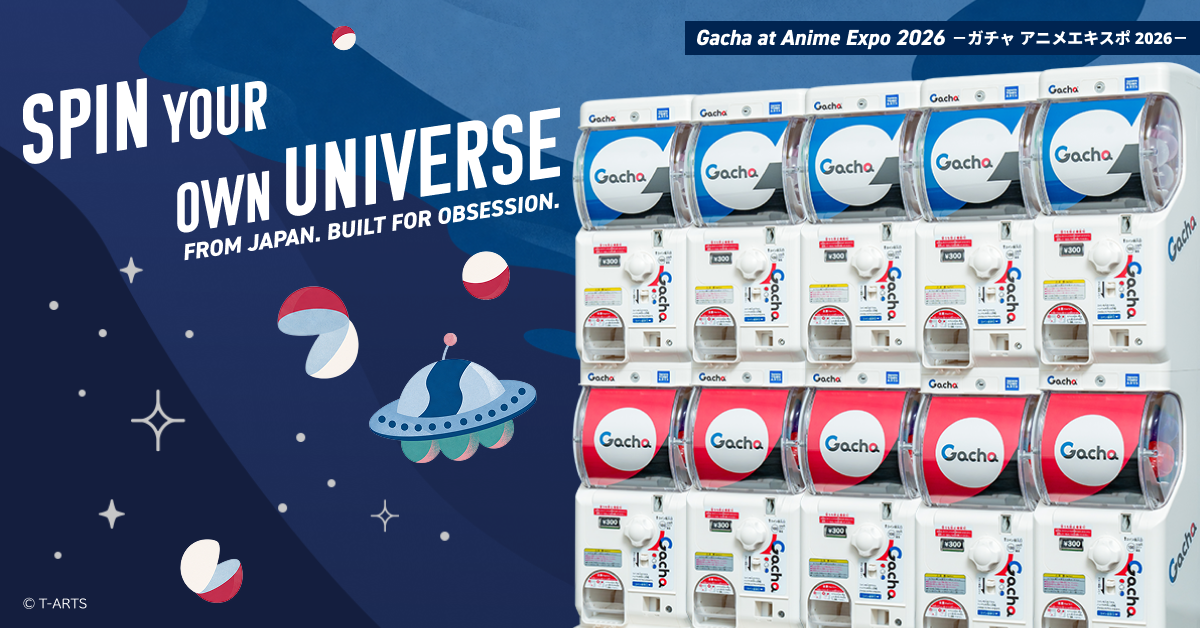
Takara Tomy Arts Gacha Galaxy booth at Anime Expo 2026

What Was Announced

On June 23, 2026, Takara Tomy Arts announced that it will bring its Gacha brand to Anime Expo 2026 in Los Angeles. The booth will be at West Hall, WH-900, inside the Los Angeles Convention Center, and it is scheduled for July 2-5, 2026.

The company is presenting the space as Gacha Galaxy, an immersive booth built around the idea that capsule toys are not just products but a kind of participatory experience. The official materials describe more than 170 capsule-machine boxes and a giant interactive setup called Gacha Reactor. Visitors who take part can receive a Gacha Pouch, while the booth also highlights a lineup that includes Gacha, PERIHAPI!, Licca, CHOKKORI-SAN, and Gacha Backpack.

The official site adds a broader framing: the booth is meant to feel like a cosmic playground from Japan, with more than 80 characters from anime and beyond woven into the experience. Some items are display-only, such as KIMONO Licca, while others are tied to hands-on play and collecting.

Why It Matters

This is a useful snapshot of how Japanese pop culture travels. Takara Tomy Arts says gacha first came to Japan from the United States in 1965 and then evolved into a distinct culture through Japanese product design, character licensing, and playful presentation. That history helps explain why gacha feels instantly recognizable to fans even when it appears far from Japan.

The booth also shows that gacha is not only about a toy machine. It is a language of surprise, collecting, display, and sharing. A giant crank, a pouch giveaway, a kimono-clad Licca-chan, plush characters designed for shelf-edge posing, and a backpack shaped like a capsule machine all point to the same idea: the object matters, but so does the ritual around it.

For international fans, that matters because Anime Expo is not just a place to buy merchandise. It is one of the biggest public stages where Japanese brands test how far a cultural format can stretch. If a capsule-toy concept can be turned into an installation that is playful, photogenic, and easy to understand, it becomes easier for new audiences to meet the culture on their own terms.

Context for International Fans

If you are new to the term, gacha usually refers to capsule toys, but in practice it also means the whole experience around them: the machine, the randomness, the anticipation, and the collecting habit that follows. That mix is why gacha often sits close to other fan practices such as figure display, blind-box collecting, and plushie photography.

The CHOKKORI-SAN section is especially telling. The official page links the plush line to Japan’s “nuidori” culture, where fans photograph plush toys in everyday settings. In other words, this booth is not only selling objects. It is translating a style of fandom that is built around small scenes, repeat visits, and the pleasure of arranging beloved characters in real space.

What Happens Next

Anime Expo 2026 runs from July 2 to July 5, 2026, and the Gacha booth will be set up in West Hall WH-900. Takara Tomy Arts says the Gacha Reactor activity is free to play with participation, and the official page directs fans to the brand’s social channels for more details.

For readers tracking Japanese pop-culture trends, this is one to watch for the way it packages a familiar domestic format for a global convention audience. The real question is not whether gacha is new. It is how far its basic promise of surprise and collectability can be stretched without losing what makes it feel distinctly Japanese.

Sources

Information was checked on 2026-06-24T23:59:56.835157+09:00.


آنچه اعلام شد

در ۲۳ ژوئن ۲۰۲۶، شرکت Takara Tomy Arts اعلام کرد که برند Gacha را به Anime Expo 2026 در لس‌آنجلس می‌برد. این غرفه در West Hall، شماره WH-900، داخل Los Angeles Convention Center برپا می‌شود و زمان برگزاری آن ۲ تا ۵ ژوئیه ۲۰۲۶ است.

این شرکت فضای غرفه را با عنوان Gacha Galaxy معرفی کرده است؛ چیدمانی تعاملی که اسباب‌بازی کپسولی را نه فقط یک کالا، بلکه یک تجربه مشارکتی نشان می‌دهد. در مطالب رسمی از بیش از ۱۷۰ باکس دستگاه گچا و یک بخش بزرگ تعاملی با نام Gacha Reactor یاد شده است. بازدیدکنندگانِ شرکت‌کننده می‌توانند یک Gacha Pouch دریافت کنند و در کنار آن، مجموعه‌ای شامل Gacha، PERIHAPI!، Licca، CHOKKORI-SAN و Gacha Backpack نیز به نمایش درمی‌آید.

صفحه رسمی این غرفه را به‌صورت یک «زمین‌بازی کیهانی» از ژاپن توصیف می‌کند که بیش از ۸۰ شخصیت از دنیای انیمه و فراتر از آن را در خود جا داده است. بعضی از آیتم‌ها فقط برای نمایش هستند، مثل KIMONO Licca، و بعضی دیگر برای تجربهٔ عملی و مشارکت مستقیم طراحی شده‌اند.

اهمیت این خبر

این خبر نمونهٔ خوبی از شیوه‌ای است که فرهنگ پاپ ژاپن از مرزها عبور می‌کند. Takara Tomy Arts می‌گوید گچا در سال ۱۹۶۵ از آمریکا وارد ژاپن شد و بعد با طراحی محصول، مجوزهای شخصیت‌ها و شیوهٔ ارائهٔ بازیگوشانه در ژاپن به فرهنگی مستقل تبدیل شد. همین پیشینه توضیح می‌دهد که چرا گچا حتی بیرون از ژاپن هم برای طرفداران فوراً آشنا به نظر می‌رسد.

این غرفه همچنین نشان می‌دهد که گچا فقط یک دستگاه فروش نیست. گچا زبانی از غافلگیری، جمع‌آوری، نمایش و به‌اشتراک‌گذاری است. یک اهرم بزرگ، هدیهٔ Gacha Pouch، عروسک Licca-chan با کیمونو، شخصیت‌های نرمی که برای قرار گرفتن روی لبهٔ قفسه طراحی شده‌اند، و کوله‌ای که شبیه دستگاه کپسولی است، همگی به یک ایده اشاره می‌کنند: خودِ شیء مهم است، اما آیین و تجربهٔ پیرامون آن هم به همان اندازه اهمیت دارد.

برای مخاطبان بین‌المللی، این نکته مهم است چون Anime Expo فقط محل خرید کالا نیست. این رویداد یکی از بزرگ‌ترین صحنه‌های عمومی است که در آن برندهای ژاپنی می‌سنجند یک قالب فرهنگی تا کجا می‌تواند کشیده شود. اگر یک مفهوم سادهٔ کپسولی بتواند به نصب‌محیطی قابل‌فهم، جذاب برای عکس‌گرفتن و مشارکت‌پذیر تبدیل شود، مخاطب تازه راحت‌تر می‌تواند با فرهنگ ژاپنی ارتباط بگیرد.

برای مخاطبان بین‌المللی چه معنایی دارد

اگر با واژهٔ gacha آشنا نیستید، معمولاً به اسباب‌بازی‌های کپسولی اشاره دارد؛ اما در عمل، به کل تجربهٔ پیرامون آن هم گفته می‌شود: دستگاه، تصادفی‌بودن، انتظار، و عادتی که برای جمع‌آوری آیتم‌ها شکل می‌گیرد. همین ترکیب باعث می‌شود گچا در کنار دیگر عادت‌های هواداری مثل چیدن فیگور، جمع‌آوری جعبه‌های سورپرایزی و عکاسی با عروسک‌های کوچک قرار بگیرد.

بخش CHOKKORI-SAN از این نظر بسیار گویاست. صفحهٔ رسمی این خط عروسکی را به فرهنگی در ژاپن وصل می‌کند که در آن طرفداران، عروسک‌های کوچک خود را در فضاهای روزمره عکاسی می‌کنند. به بیان دیگر، این غرفه فقط شیء نمی‌فروشد؛ بلکه سبک خاصی از هواداری را ترجمه می‌کند که بر صحنه‌های کوچک، بازدیدهای مکرر و لذتِ چیدن شخصیت‌های محبوب در دنیای واقعی بنا شده است.

گام بعدی چیست

Anime Expo 2026 از ۲ تا ۵ ژوئیهٔ ۲۰۲۶ برگزار می‌شود و غرفهٔ Gacha در West Hall WH-900 برپا خواهد بود. Takara Tomy Arts می‌گوید فعالیت Gacha Reactor با شرکت‌کردن رایگان است و صفحهٔ رسمی هم علاقه‌مندان را برای جزئیات بیشتر به کانال‌های اجتماعی برند ارجاع می‌دهد.

برای خوانندگانی که روندهای فرهنگ پاپ ژاپن را دنبال می‌کنند، این خبر جالب است چون یک قالب آشنا و داخلی را برای مخاطب جهانی بسته‌بندی می‌کند. پرسش اصلی این نیست که آیا گچا تازه است یا نه؛ پرسش این است که این وعدهٔ سادهٔ «غافلگیری و قابلیت جمع‌آوری» تا کجا می‌تواند گسترش پیدا کند بدون آن‌که حس ژاپنیِ خودش را از دست بدهد.

منابع

اطلاعات در 2026-06-24T23:59:56.835157+09:00 بررسی شد.

Comments

Popular posts from this blog

Otaku News Watch: Keiko Suenobu's Ochitara Owari Manga Gets Live-Action Series

Otaku News Watch: TBS Reports 524 Million Yen Loss in Anime Division

Otaku News Watch: Watch NHK Symphony Orchestra Play Pokémon Winds/Waves Games' Theme